Understanding FEMA Flood Zone Regulations for Florida Homeowners


Understanding FEMA Flood Zone Regulations
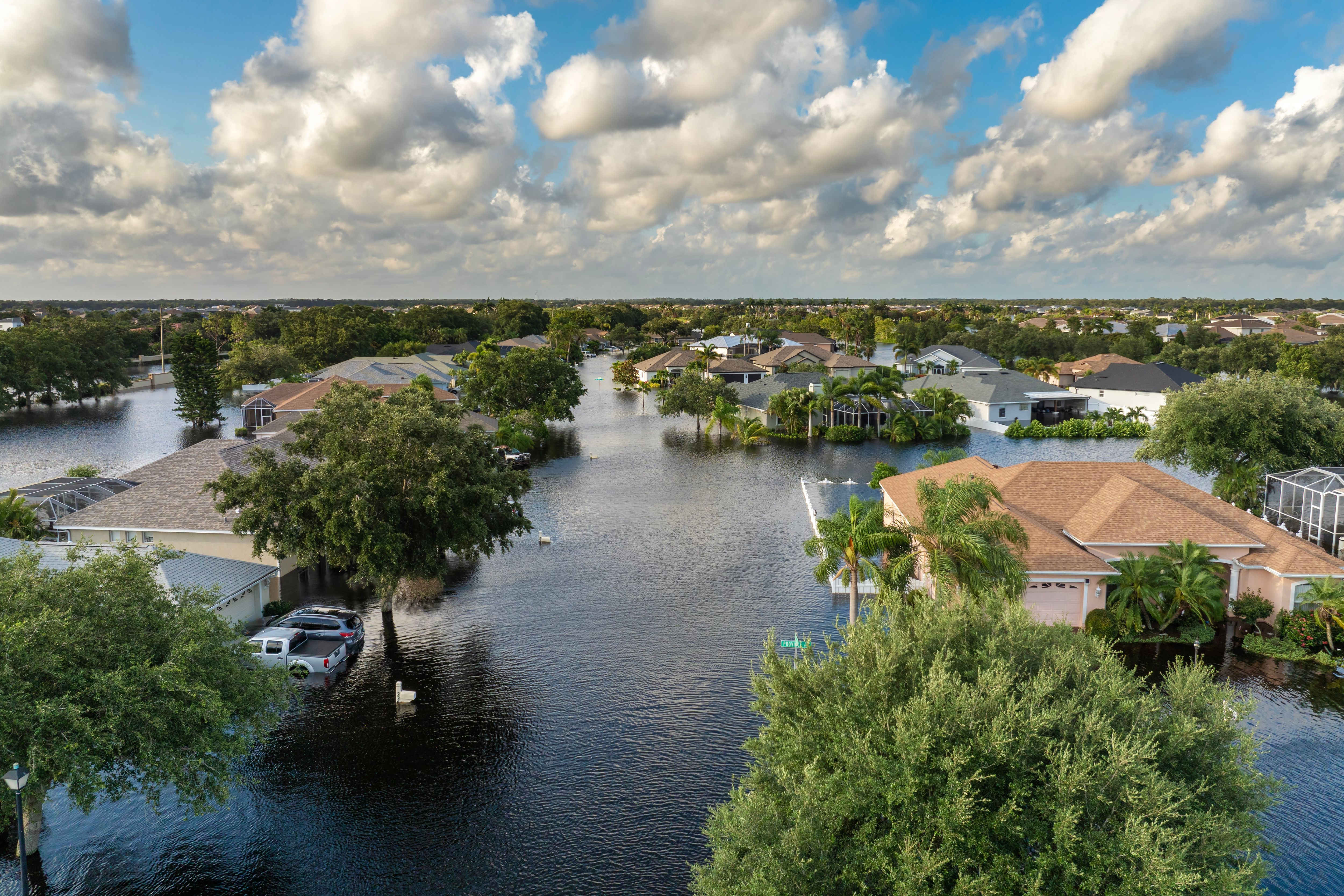
Owning a home in Florida comes with its unique set of challenges, one of which is the state's vulnerability to flooding. FEMA flood zone regulations play a crucial role in determining how homeowners can protect their properties and ensure they are compliant with safety standards.
It's essential for Florida homeowners to understand what these regulations entail and how they impact property insurance, building codes, and home safety. Navigating these regulations can be complex, but with the right information, homeowners can make informed decisions.
What Are FEMA Flood Zones?
FEMA, or the Federal Emergency Management Agency, categorizes areas based on their flood risk. These designations help determine insurance requirements and guide construction practices. Flood zones are categorized from low to high risk, with each category influencing the kind of measures homeowners must take.
Some common flood zones include Zone X (minimal risk), Zone A (high risk), and Zone V (coastal high risk). Understanding which zone your property falls into is the first step in managing flood risk effectively.
How Flood Zones Affect Insurance
Flood insurance is a critical consideration for homeowners in flood-prone areas. Properties located in higher-risk zones typically face higher insurance premiums. However, insurance is often a necessity, as most standard homeowner policies do not cover flood damage.
For properties in Zones A and V, purchasing flood insurance may be mandatory, especially if the home is financed through a federally regulated or insured lender. Homeowners should consult with their insurance provider to ensure they have adequate coverage.

Building Regulations and Requirements
FEMA flood zone regulations also affect building codes and construction practices. Homes in high-risk zones may need to be elevated or constructed with specific materials to withstand potential flooding. Adhering to these regulations is crucial for ensuring the safety and longevity of the property.
Builders and homeowners must work together to incorporate flood mitigation measures. This includes using flood-resistant materials, ensuring proper drainage, and following elevation requirements.
Steps for Homeowners
To ensure compliance with FEMA regulations, homeowners should:
- Identify their property's flood zone designation.
- Review and update their flood insurance policy regularly.
- Consult with builders to ensure their home meets construction and safety standards.
- Stay informed about any changes in flood maps or regulations.
By taking these steps, homeowners can better protect their investment and ensure peace of mind.

Staying Informed and Prepared
Flood zone regulations and maps can change, so it's important for Florida homeowners to remain vigilant. Staying informed about updates and participating in community planning efforts can provide additional layers of protection.
Resources like local government websites and FEMA’s online tools offer valuable information for understanding flood risk and preparing for potential flooding events.
Ultimately, being proactive about flood zone regulations and preparedness can help Florida homeowners safeguard their properties and navigate the complexities of living in a flood-prone area.