
Top Residential Planning Tips for Clearwater Homeowners


Understanding Your Space
Before diving into any residential planning project in Clearwater, it's crucial to understand your space. Analyze the size of your lot, the layout of your home, and how each area is utilized. Knowing the strengths and limitations of your current space will guide effective planning and ensure you make informed decisions.
Consider conducting a thorough assessment of your property. Identify areas that require improvement and spaces that are underutilized. This will help you prioritize projects and allocate resources effectively.

Setting Clear Goals
Having clear goals is essential in any residential planning project. Determine what you want to achieve, whether it's increasing living space, enhancing functionality, or improving aesthetics. Clear objectives will help you stay focused and avoid unnecessary changes that can derail your project.
Discuss your goals with all household members to ensure everyone is on the same page. This collaborative approach can lead to innovative ideas and solutions that meet the needs of everyone involved.
Budgeting Wisely
Effective budgeting is a cornerstone of successful residential planning. Start by estimating the costs of your project, including materials, labor, and any additional expenses. It's also wise to set aside a contingency fund for unexpected costs that may arise during the project.
Research and obtain multiple quotes from contractors to ensure you get the best value for your investment. Remember, the cheapest option isn't always the best, so weigh quality and reliability alongside cost.

Choosing the Right Materials
Material selection plays a significant role in the outcome of your residential planning project. Consider the durability, maintenance, and environmental impact of the materials you choose. Opting for sustainable materials can enhance your home's value and contribute to a healthier environment.
Consult with professionals or conduct independent research to understand the benefits and drawbacks of different materials. This will help you make informed decisions that align with your goals and budget.
Hiring Professionals
While DIY projects can be rewarding, some tasks require professional expertise. Hiring architects, designers, or contractors can provide valuable insights and ensure your project adheres to local building codes and regulations.
Check credentials and seek recommendations to find professionals with a proven track record. A qualified team can streamline the process and deliver results that meet your expectations.
Embracing Technology
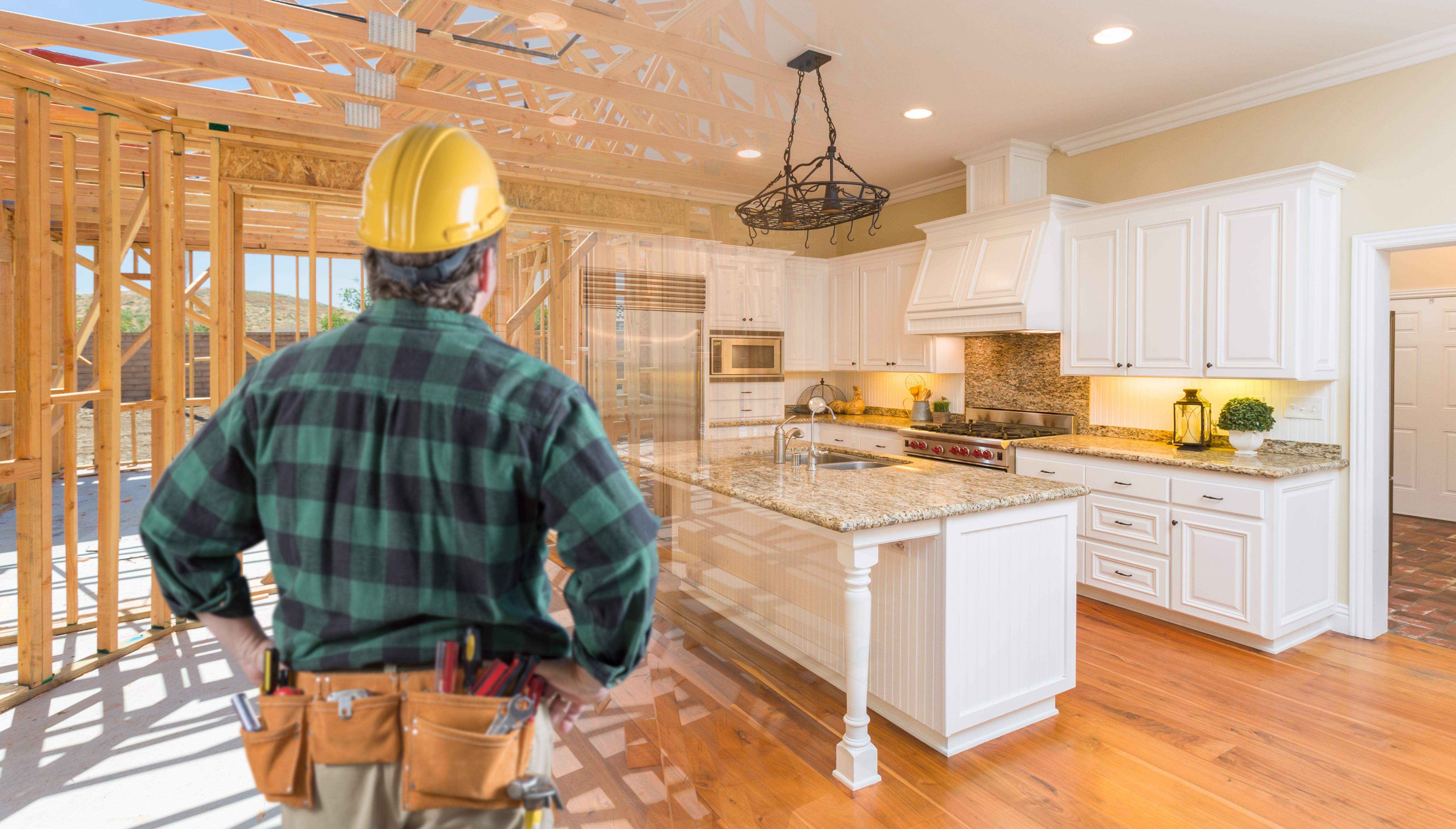
Technology can be a powerful ally in residential planning. Utilize design software and tools to visualize your ideas and make adjustments before construction begins. This can save time and reduce the risk of costly mistakes.
Consider integrating smart home technology to enhance convenience, security, and energy efficiency. From automated lighting to advanced security systems, technology can significantly improve your living experience.
Staying Flexible
Even with thorough planning, unexpected challenges can arise. Stay flexible and open to adjustments during the project. This adaptability will help you navigate any issues and keep your project on track.
Regularly review progress with your team and make necessary changes to ensure your goals are still being met. A proactive approach will lead to a smoother process and a successful outcome.

Conclusion
Residential planning in Clearwater requires careful consideration of space, goals, budget, and materials. By following these tips and embracing a collaborative, informed approach, you can enhance your living space and increase the value of your home. Remember, thorough preparation is the key to turning your vision into reality.