Top Considerations for Leading Construction Plan Designers in Florida


Understanding Florida's Unique Climate and Environment
When designing construction plans in Florida, it's crucial to consider the state's unique climate and environmental conditions. Florida is known for its humid subtropical climate, which can influence building materials and structural integrity. Designers must ensure that buildings can withstand extreme weather conditions such as hurricanes and heavy rainfall.
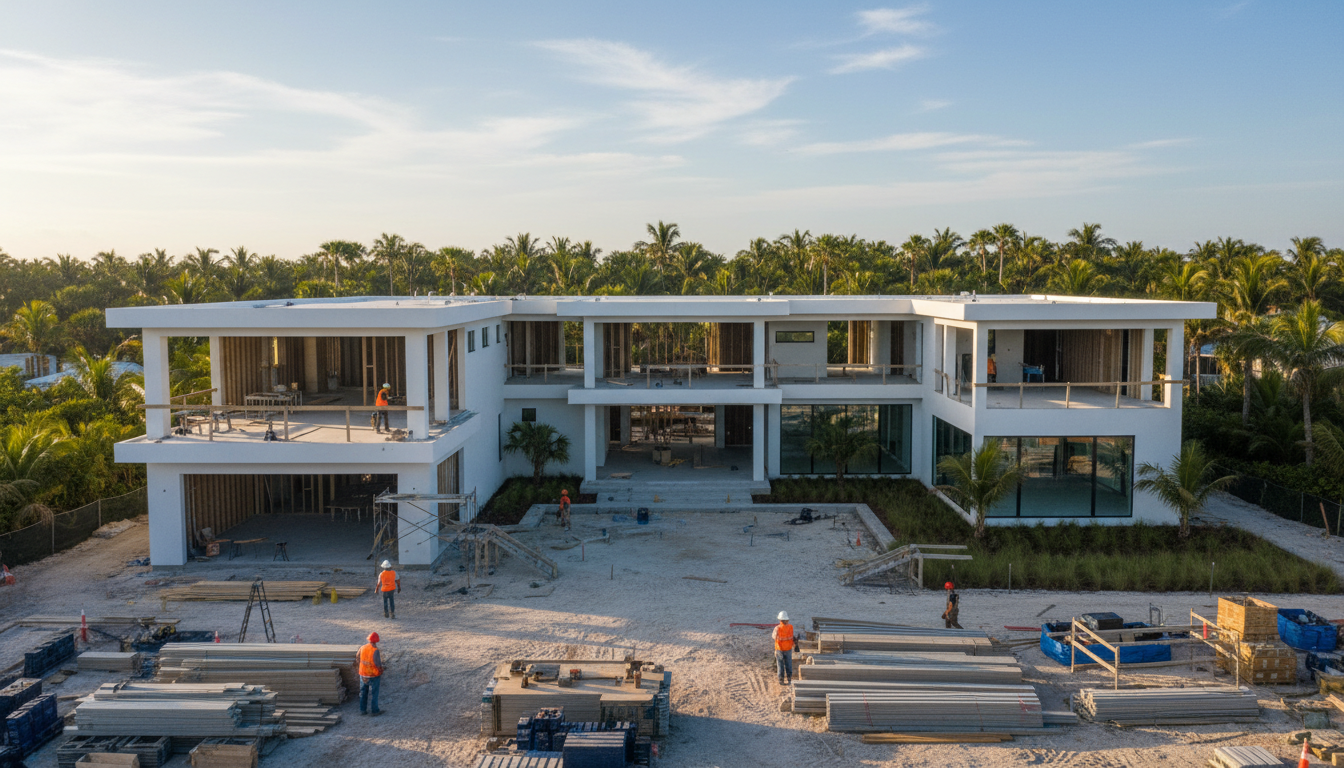
Additionally, Florida's proximity to the ocean means that saltwater corrosion is a significant concern. Choosing materials that can resist salt damage is essential for longevity and durability. Designers must also incorporate solutions that address flooding and high humidity levels, ensuring the safety and comfort of the building's occupants.
Adhering to Local Building Codes
Florida has stringent building codes designed to protect structures from severe weather events. Designers must be well-versed in these regulations to ensure compliance. These codes cover various aspects, including wind resistance, roofing, and energy efficiency.
Staying updated with the latest code revisions is vital for construction plan designers. Regular training and collaboration with local authorities can help in maintaining compliance and avoiding potential legal issues down the road.
Incorporating Sustainable Design Practices
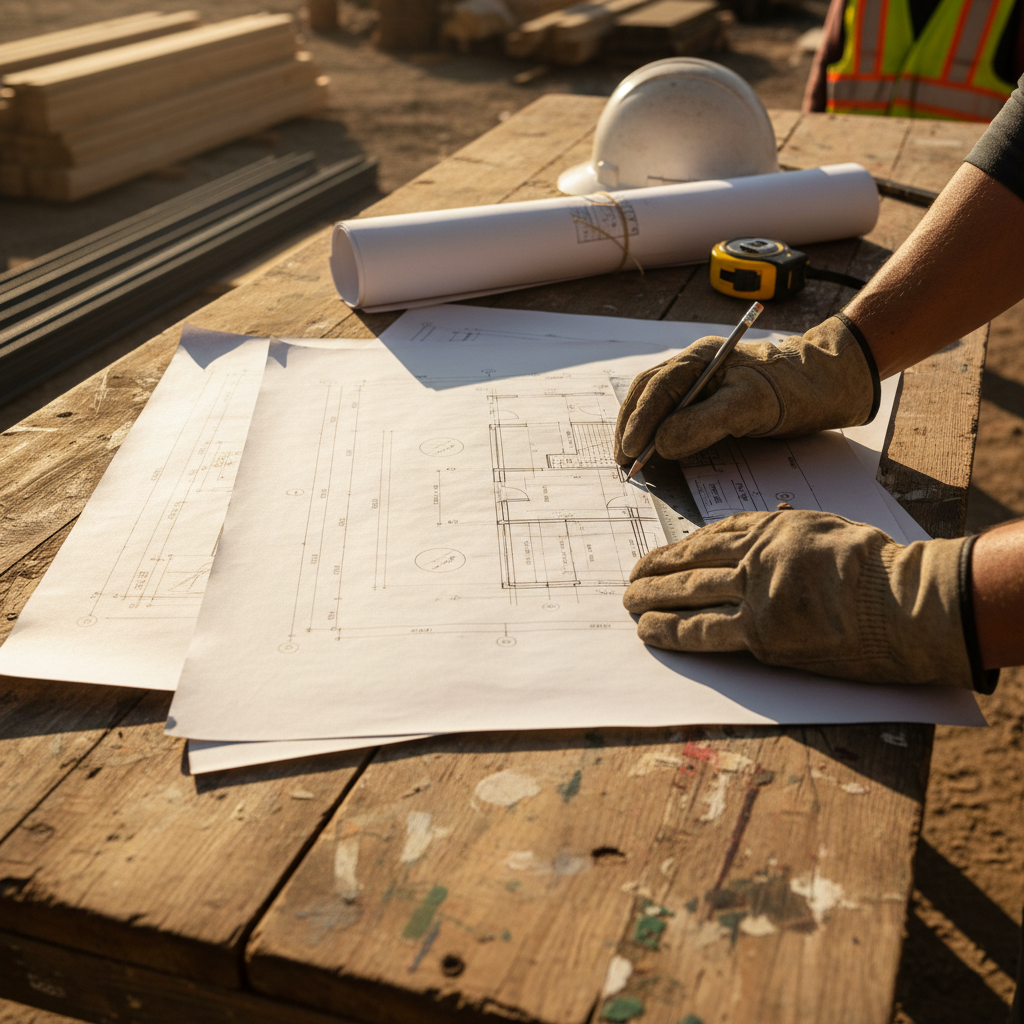
As environmental concerns grow, sustainable building practices have become a priority in Florida. Designers are encouraged to use eco-friendly materials and incorporate renewable energy sources like solar panels. Efficient water management systems, such as rainwater harvesting and low-flow fixtures, are also critical considerations.
Integrating green spaces and utilizing natural lighting are other ways to enhance sustainability. Not only do these practices reduce a building's carbon footprint, but they also contribute to healthier living and working environments.
Balancing Aesthetics with Functionality
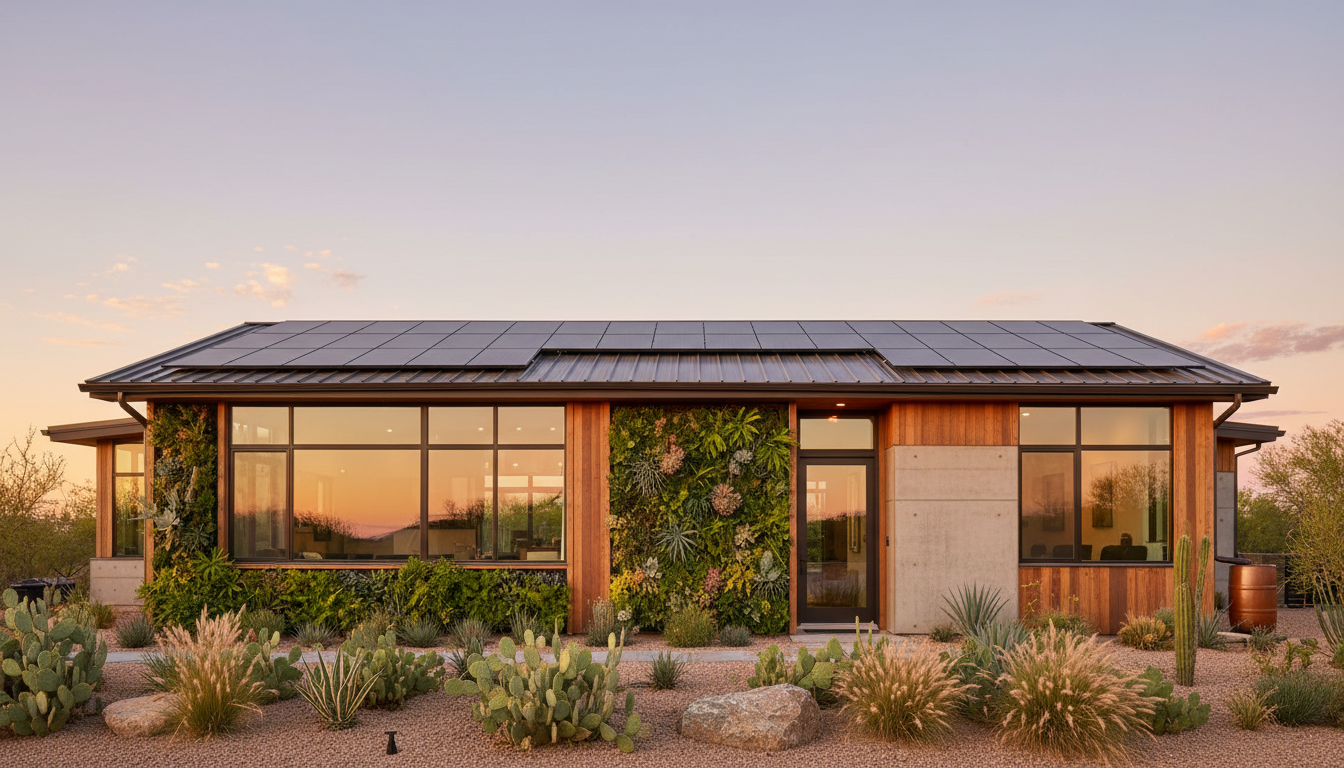
Florida's vibrant culture and diverse architectural styles offer a broad canvas for creativity. However, designers must balance aesthetics with functionality. Whether it's a modern skyscraper in Miami or a beachfront property in Key West, the design should reflect the local character while meeting practical needs.
Incorporating features like open floor plans, large windows, and outdoor living spaces can enhance both the aesthetic appeal and functionality of a building, catering to the lifestyle preferences of Floridians.
Leveraging Technology in Design
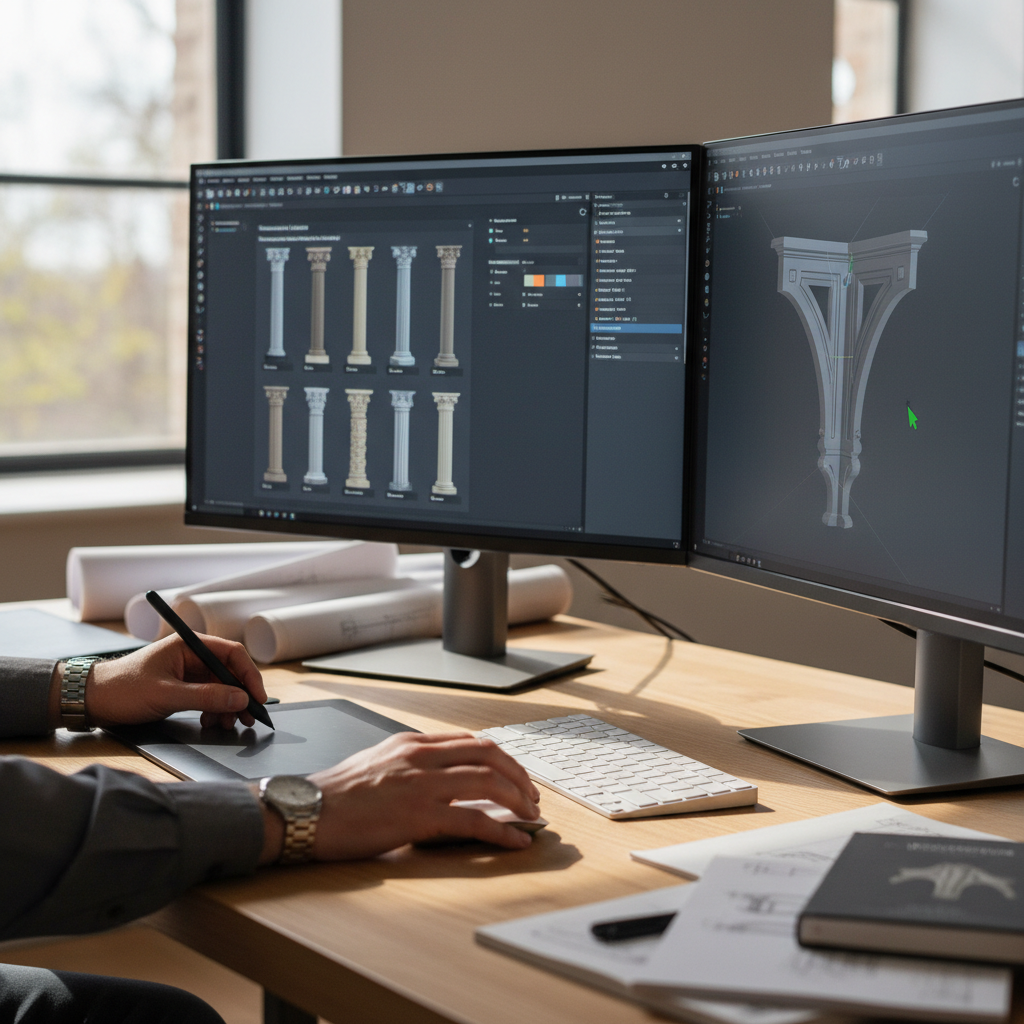
Technology plays a significant role in modern construction design. Tools like Building Information Modeling (BIM) and 3D rendering software allow designers to create detailed and accurate plans. These technologies facilitate better communication with clients and contractors, ensuring a smoother construction process.
Moreover, adopting smart building technologies, such as automated climate control and advanced security systems, can significantly enhance a building's appeal and functionality.
Conclusion
Leading construction plan designers in Florida must navigate a complex landscape of environmental challenges, regulatory requirements, and aesthetic demands. By focusing on climate considerations, adhering to local codes, embracing sustainability, balancing aesthetics with functionality, and leveraging technology, designers can create structures that not only stand the test of time but also enhance the vibrant communities they serve.