Navigating Florida’s Building Code for Custom Residential Construction


Understanding Florida’s Building Code
Florida’s building code is a comprehensive set of regulations designed to ensure safety, durability, and sustainability in construction. For those considering custom residential construction, understanding these codes is crucial. The Florida Building Code (FBC) covers everything from structural integrity to energy efficiency, and navigating it can seem daunting at first.
Key Components of the Florida Building Code
The FBC is divided into several sections, each addressing different aspects of construction. Key components include:
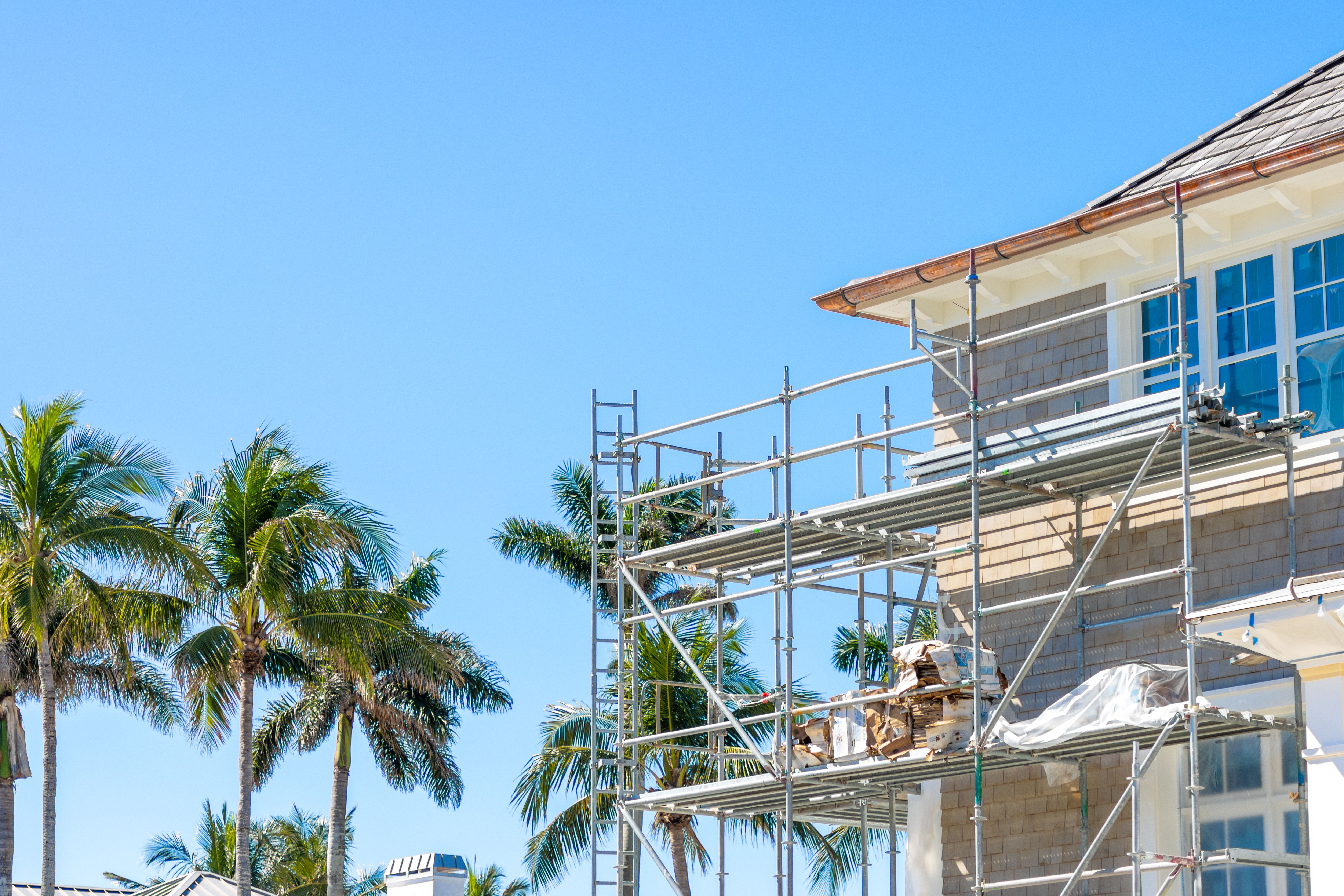
- Structural Requirements: These ensure that buildings can withstand Florida’s unique environmental challenges, such as high winds and hurricanes.
- Energy Efficiency: Regulations here aim to reduce energy consumption and promote sustainable building practices.
- Plumbing and Electrical Standards: These ensure the safety and functionality of essential systems in a home.
Each of these components must be carefully considered during the planning and building phases to ensure compliance with state laws.
Steps to Ensure Compliance
Navigating the FBC successfully requires a strategic approach. Here’s a step-by-step guide to help you stay compliant:
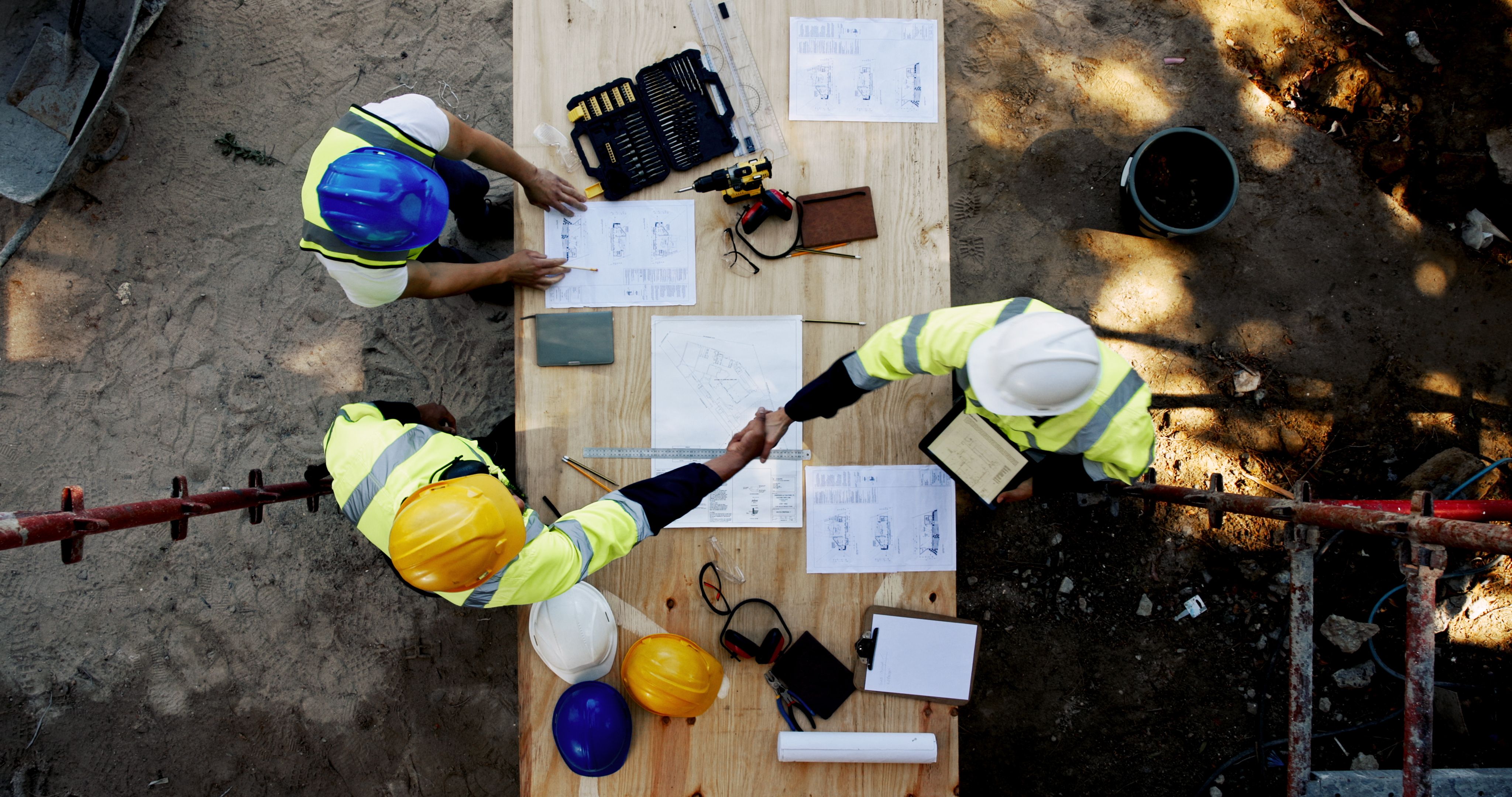
- Consult with Experts: Hiring a licensed contractor or architect who is familiar with Florida’s building code can save time and prevent costly mistakes.
- Review Local Amendments: While the FBC provides a statewide standard, local governments may have additional requirements.
- Submit Plans for Approval: Before construction begins, submit your plans to local authorities for review and approval.
Common Challenges and Solutions
One of the most common challenges in custom residential construction is staying updated with code changes. The FBC is reviewed and updated every three years, which means requirements can evolve. To address this, subscribe to industry newsletters or join local builders’ associations to receive timely updates.
Another challenge is the complexity of integrating energy-efficient technologies while meeting code standards. Working closely with a knowledgeable contractor can help you find solutions that meet both your design goals and regulatory requirements.
The Role of Inspections
Inspections are a crucial part of the construction process in Florida. They ensure compliance at various stages of building—from foundation to final touches. Missing an inspection can lead to delays and additional costs, so it’s important to schedule them in advance and be prepared for potential adjustments.
By understanding the nuances of Florida’s building code and engaging with experienced professionals, you can streamline the construction of your custom home, ensuring it is both beautiful and compliant with all necessary regulations.