
Load-Bearing Wall Modifications: What You Need to Know


Understanding Load-Bearing Walls
When planning home renovations, understanding the role of load-bearing walls is crucial. These walls are integral to the structural integrity of your home, supporting the weight of the roof, floors, and the walls above. Modifying these walls requires careful consideration and professional expertise.
Identifying Load-Bearing Walls
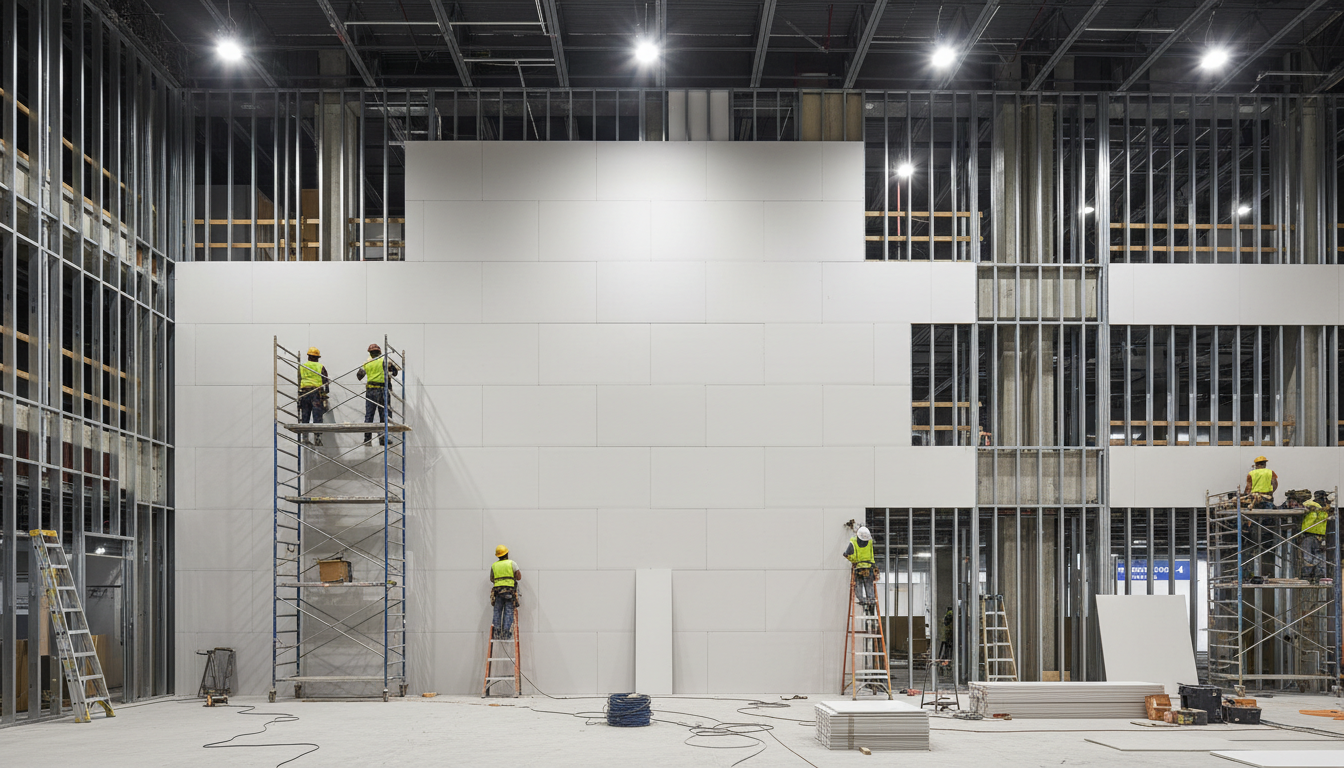
Before making any changes, it's essential to identify which walls in your home are load-bearing. Typically, these walls run perpendicular to floor joists or are located in the center of the house. Consulting with a structural engineer or architect can provide clarity.
Common indicators of load-bearing walls include:
- Walls that run along the length of the house.
- Walls that support beams or columns.
- Walls located directly above or below other load-bearing walls.
Planning Modifications
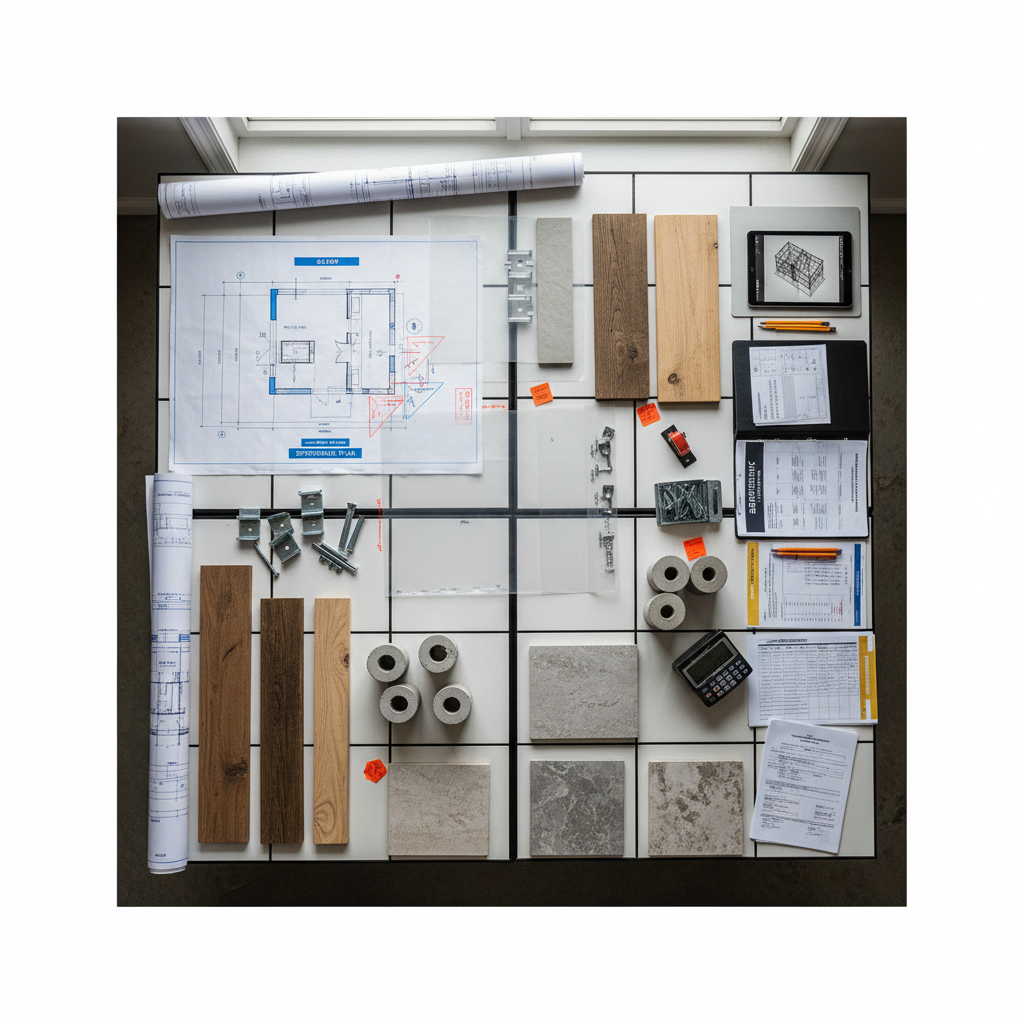
Once you've identified a load-bearing wall, thorough planning is necessary. Removing or altering such a wall without proper support can lead to structural damage. Here are key steps to consider:
- Consult a Professional: Engage with a structural engineer to assess the wall and propose safe modification plans.
- Get Necessary Permits: Check with local authorities for required permits before starting any structural changes.
- Plan for Temporary Support: During modifications, temporary supports are crucial to maintain structural integrity.
Executing the Modifications
With a clear plan and permits in place, the modification process can begin. This involves safely removing the wall while ensuring adequate support through beams or columns. It's vital to use materials that can handle the load and are compliant with building codes.
Post-Modification Considerations
After completing the modifications, it's important to have the work inspected. This ensures that all changes meet safety standards and that the new support structures are functioning as intended.
Common Mistakes to Avoid
When modifying load-bearing walls, avoid these common pitfalls:
- Ignoring professional advice and attempting DIY solutions.
- Overlooking the need for proper permits and inspections.
- Using inadequate or substandard materials for support.
Conclusion
Modifying load-bearing walls can significantly enhance your living space, but it requires careful planning and professional input. By following the steps outlined, you can ensure a successful renovation that maintains the structural safety of your home.