How to Prepare for a Land Survey in Florida: A Step-by-Step Guide


Preparing for a land survey in Florida is a crucial step in property development, purchase, or boundary clarification. With unique regulations and geographical considerations, it's important to approach the process methodically. This guide will walk you through the necessary steps to ensure a smooth experience.
Understand the Purpose of Your Survey
The first step in preparing for a land survey is understanding its purpose. Are you purchasing property, resolving a boundary dispute, or planning construction? Knowing the specific reason will help you communicate effectively with your surveyor.
Different types of surveys serve different purposes, such as boundary surveys, topographic surveys, and construction staking. Communicate your needs clearly to ensure you receive the appropriate service.

Choose a Qualified Surveyor
Selecting a qualified surveyor is essential. Look for a licensed professional with experience in Florida's specific regulations and geographical challenges. Ask for recommendations, check online reviews, and verify their credentials through local licensing boards.
Consider getting quotes from multiple surveyors to compare services and pricing. Ensure that the surveyor you choose is familiar with local zoning laws and environmental factors that may affect your survey.

Gather Necessary Documents
Before the survey begins, gather all relevant property documents. This may include the deed, previous surveys, and any existing maps or plats. These documents will provide valuable information to the surveyor and may expedite the process.
Having these documents ready can also help clarify any existing boundary issues or easements that might need addressing during the survey.
Prepare the Property
Ensure that the property is accessible and free from obstructions. Clear away any debris, overgrown vegetation, or temporary structures that might hinder the surveyor's work. Providing clear access to property lines and markers is crucial.
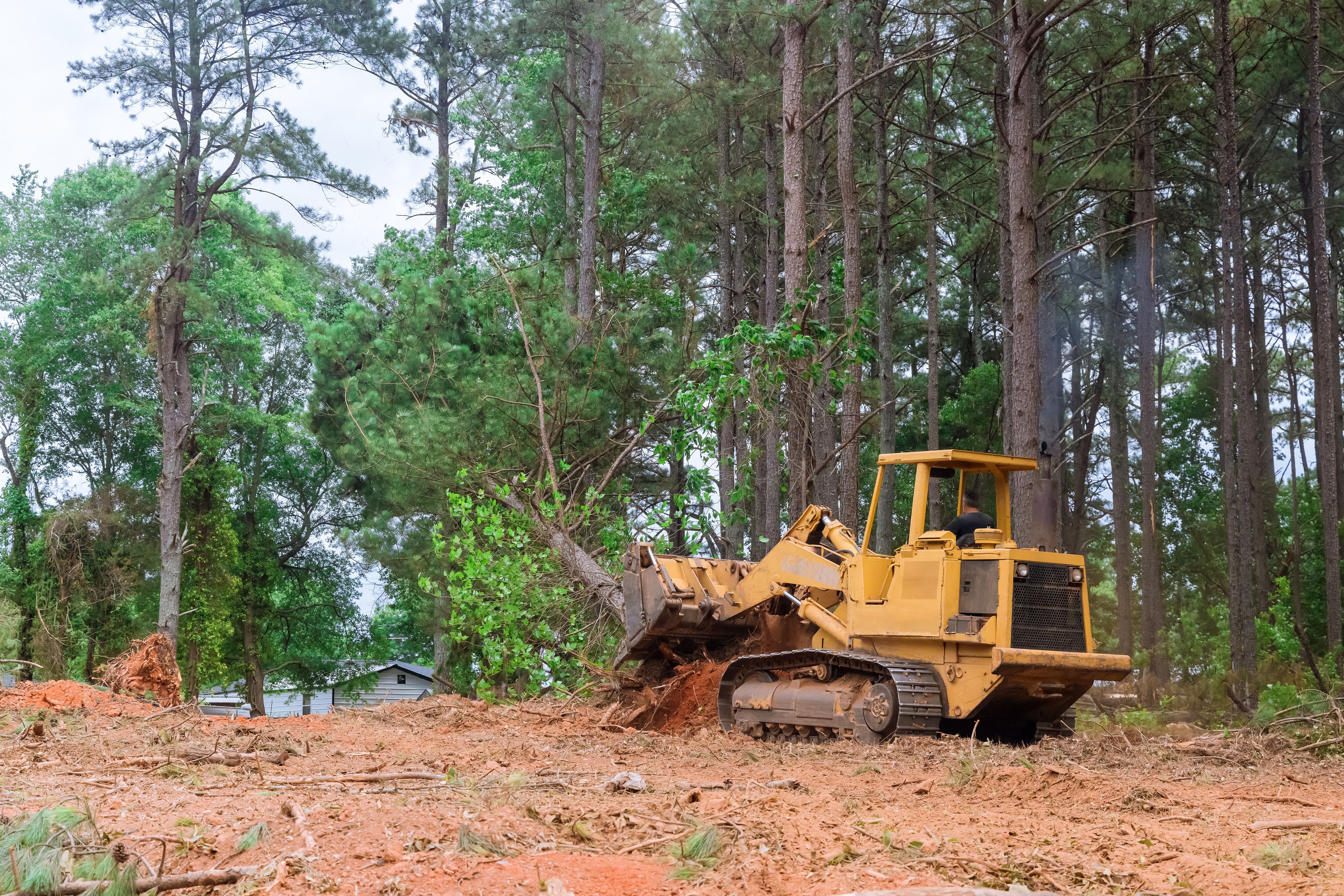
If there are any locked gates or restricted areas, make arrangements to provide access on the day of the survey. Inform neighbors if the survey will require access to their property.
Communicate Specific Concerns
If you have any specific concerns or requirements, communicate these clearly to your surveyor before work begins. This might include areas of potential dispute or specific features you want included in the survey.
Effective communication ensures that the surveyor can address all of your needs and provide a comprehensive report tailored to your situation.
Review the Survey Results
Once the survey is completed, review the results carefully. A reputable surveyor will provide a detailed report that includes maps, measurements, and any relevant notes. Take the time to understand the findings and ask questions if anything is unclear.

If the survey reveals any issues, such as boundary disputes or zoning violations, consult with legal professionals to address these concerns promptly.
Keep Documentation Organized
Finally, keep all survey documentation organized and accessible for future reference. This information can be invaluable for future property transactions, development projects, or legal matters.
Proper preparation and organization can save time, money, and stress, ensuring a successful land survey experience in Florida.