
How to Navigate Florida's Building Code for Home Additions


When planning a home addition in Florida, understanding the state's building code is crucial. The Florida Building Code (FBC) sets forth regulations to ensure safety and quality, so navigating this landscape can be complex. This guide will help you through the process, ensuring compliance and a smoother project experience.
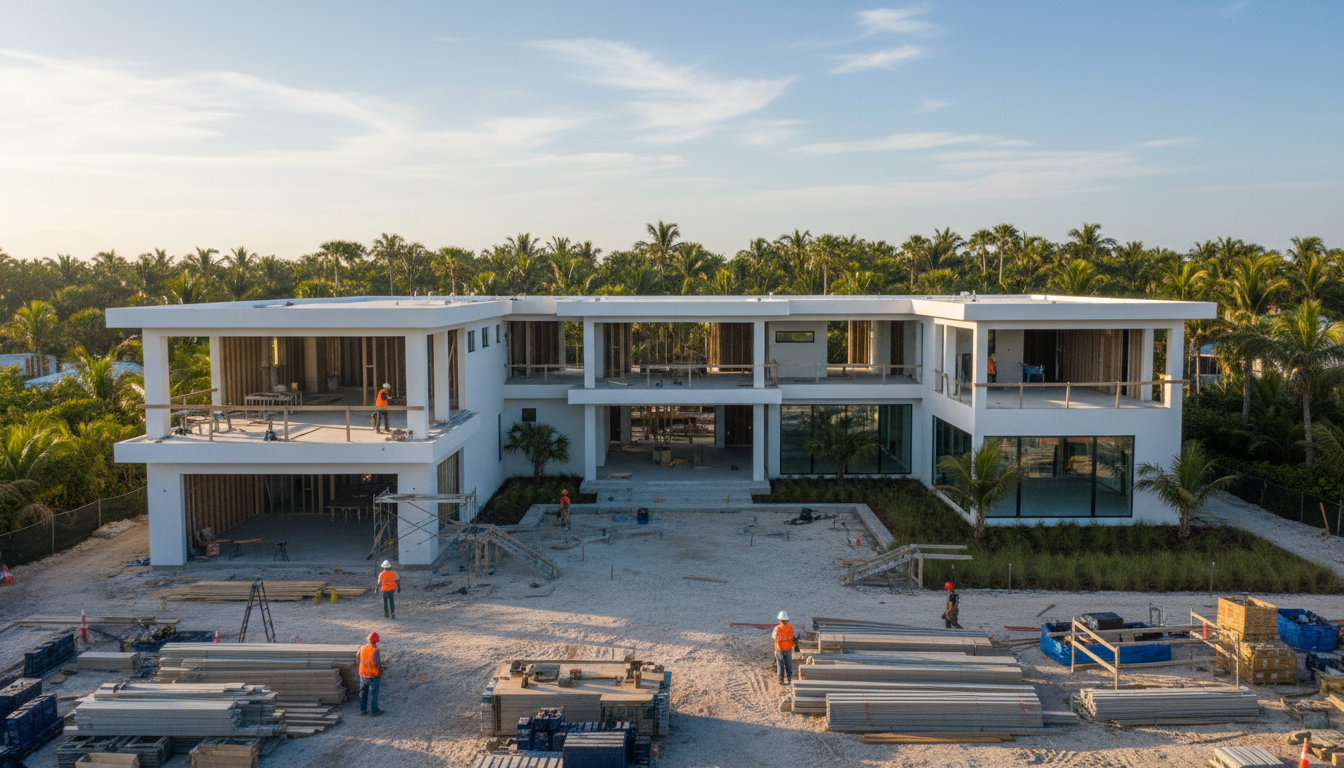
Understanding the Florida Building Code
The FBC is a comprehensive set of standards that impact construction and safety. It covers everything from structural requirements to energy efficiency. Familiarizing yourself with these guidelines is the first step in your home addition journey.
The code is updated every three years, which means staying current is essential. It's not just about compliance; adhering to the latest standards can enhance the longevity and safety of your addition.
Why Compliance Matters
Compliance with the FBC is not optional. It ensures that your home addition meets safety standards, and failing to comply can result in fines, delays, or even the removal of your structure. Moreover, it can affect your insurance coverage and property value.
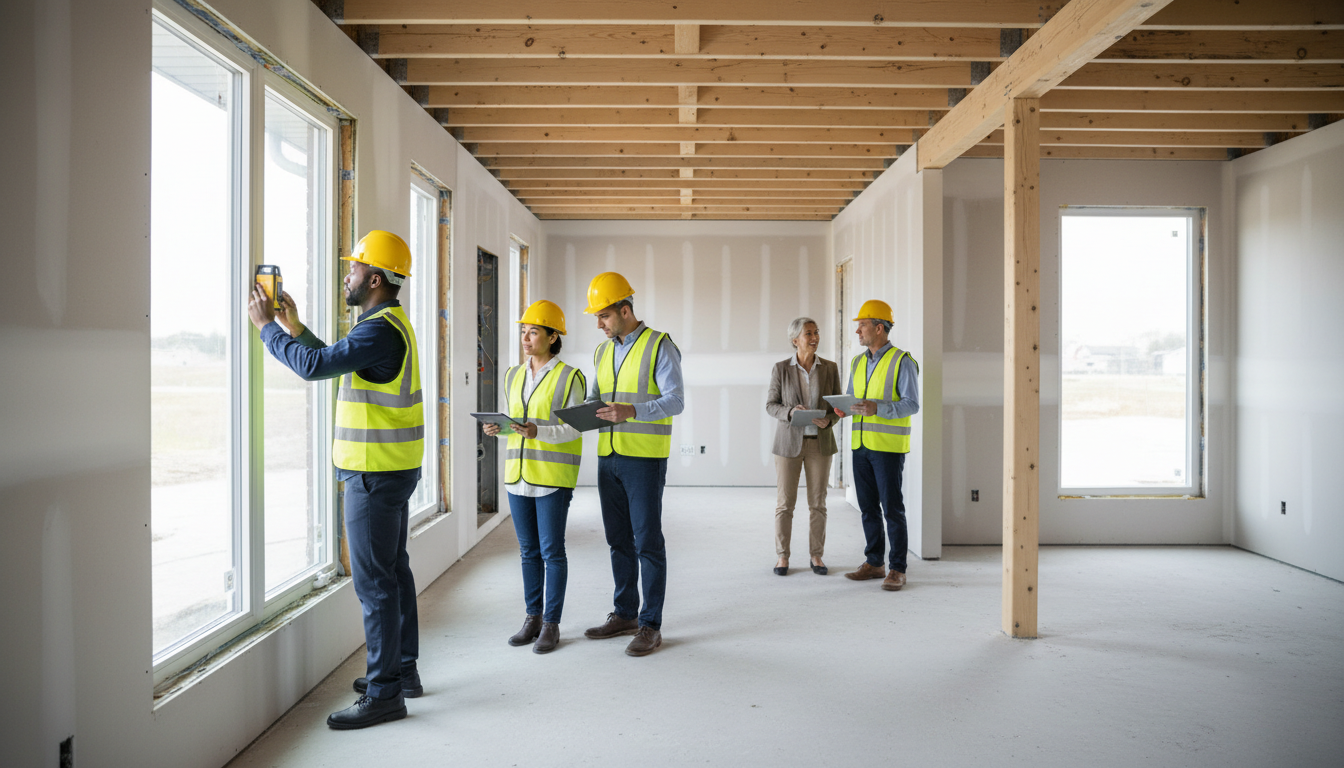
Steps to Navigate the Code
Navigating the FBC for a home addition involves several steps. Here’s a simplified process to help you get started:
- Research: Begin by reviewing the sections of the FBC relevant to your project.
- Consult Professionals: Hire a licensed architect or contractor familiar with the FBC to guide you.
- Permit Application: Submit detailed plans to your local building department for approval.
Working with Professionals
Hiring professionals who understand Florida’s building code can be invaluable. Architects and contractors with experience in your area will be familiar with local amendments and can help ensure your project meets all regulations.
When selecting a professional, verify their credentials and ask for references. A knowledgeable team can save you time and money in the long run.

Key Considerations for Compliance
Several factors require special attention when planning a home addition in Florida. These include:
- Wind Load: Florida's weather conditions demand structures that can withstand high winds.
- Flood Zones: If your property is in a flood-prone area, specific building requirements will apply.
- Energy Efficiency: The FBC includes provisions for energy conservation, which can lead to long-term savings.
Final Thoughts
Successfully navigating Florida's Building Code for your home addition requires diligence, research, and professional guidance. By understanding the code and working with experienced professionals, you can ensure that your project is safe, compliant, and completed efficiently.
Remember, the effort you invest upfront will pay off with a home addition that enhances your property and meets all safety standards.