Flood Zone Compliance: What Florida Homeowners Need to Know


Understanding Flood Zones in Florida
Living in Florida has many perks—sunshine, beaches, and a vibrant lifestyle. However, the state's low elevation and proximity to water bodies also mean a higher risk of flooding. Understanding flood zones is crucial for homeowners to protect their property and finances.
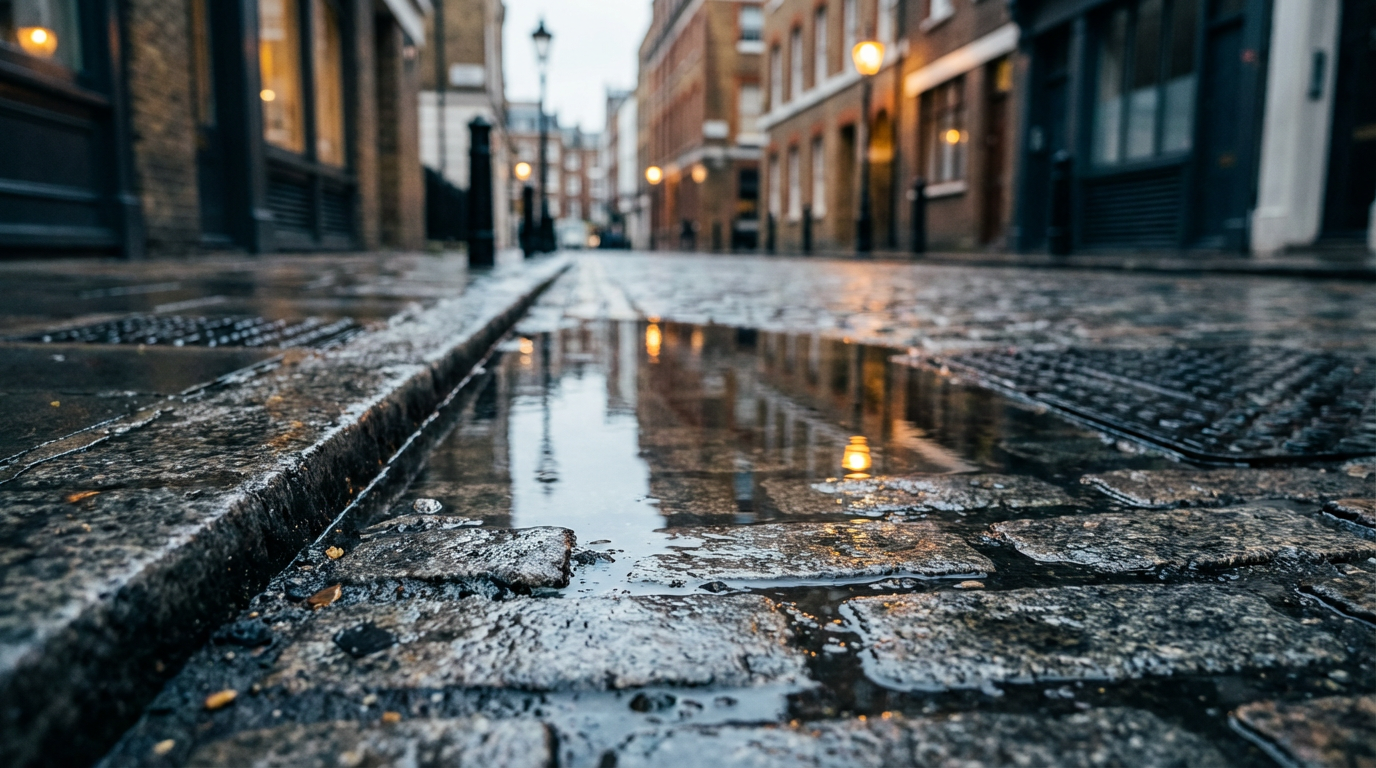
Flood zones are geographic areas defined by the Federal Emergency Management Agency (FEMA) that reflect the severity or type of flooding in the area. These zones influence flood insurance requirements and building regulations, making it essential for homeowners to be aware of their zone designation.
Determining Your Flood Zone
To find out your home's flood zone, you can use FEMA’s Flood Map Service Center. Simply enter your address to view the flood map for your area. Understanding your zone will help you assess the level of risk and necessary precautions.

The most common flood zones in Florida are Zone A and Zone V. Zone A is prone to flooding during heavy rains, while Zone V, typically along coastlines, faces risks from storm surges and high waves. Knowing your zone can guide your flood preparedness efforts.
Flood Insurance: A Necessity
For Florida homeowners, flood insurance is a must-have. Standard homeowners insurance policies do not cover flood damage, so a separate flood insurance policy is essential. Those in high-risk areas may be required by lenders to carry flood insurance.
The National Flood Insurance Program (NFIP) offers policies through insurance agents. Coverage limits and costs can vary, so it’s wise to shop around and find a policy that suits your needs. Be proactive in securing coverage before the storm season begins.
Building and Renovation Compliance
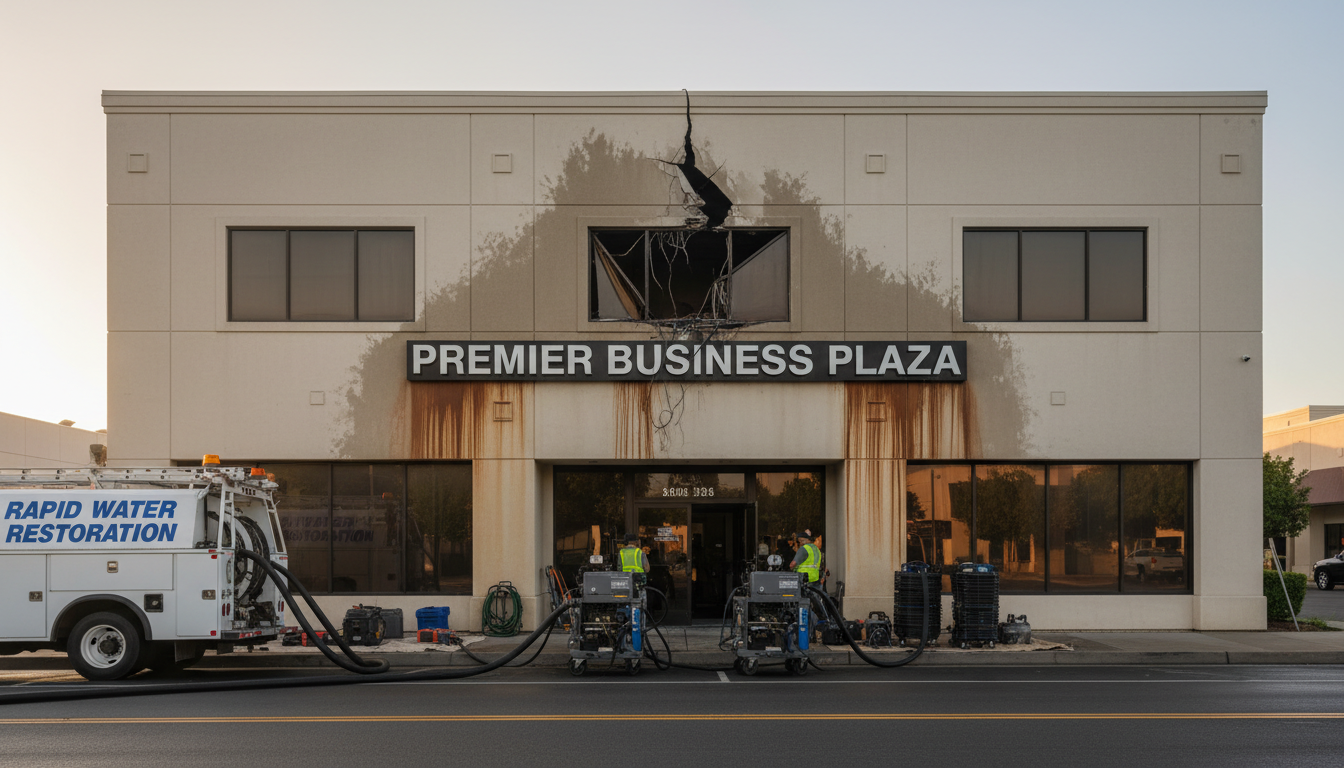
If you’re building a new home or renovating an existing one, compliance with flood zone regulations is mandatory. Florida building codes require specific elevation and construction standards based on your flood zone. Compliance not only ensures safety but may also reduce insurance premiums.
- Ensure your home’s foundation is elevated above base flood elevation.
- Use flood-resistant materials for any areas below the base flood elevation.
- Adhere to local building codes and acquire necessary permits.
Preparing for a Flood
Beyond insurance and compliance, being prepared for a flood is essential. Create an emergency plan that includes evacuation routes, communication strategies, and a list of essential items to take with you. Regularly review and update your plan as needed.

Consider installing flood barriers or sandbags, and ensure your home’s drainage systems are working efficiently. Elevate electrical appliances and utilities to prevent damage. These proactive steps can minimize potential harm and provide peace of mind.
Conclusion
Owning a home in Florida comes with unique challenges, but understanding flood zone compliance can make a significant difference. By staying informed, securing the right insurance, and adhering to building regulations, you can protect your property and ensure your peace of mind. Stay vigilant, stay prepared, and enjoy the sunshine state responsibly.