
Eco-Friendly Building Designs in Florida: How to Achieve Sustainable Construction


Embracing Eco-Friendly Building Designs in Florida
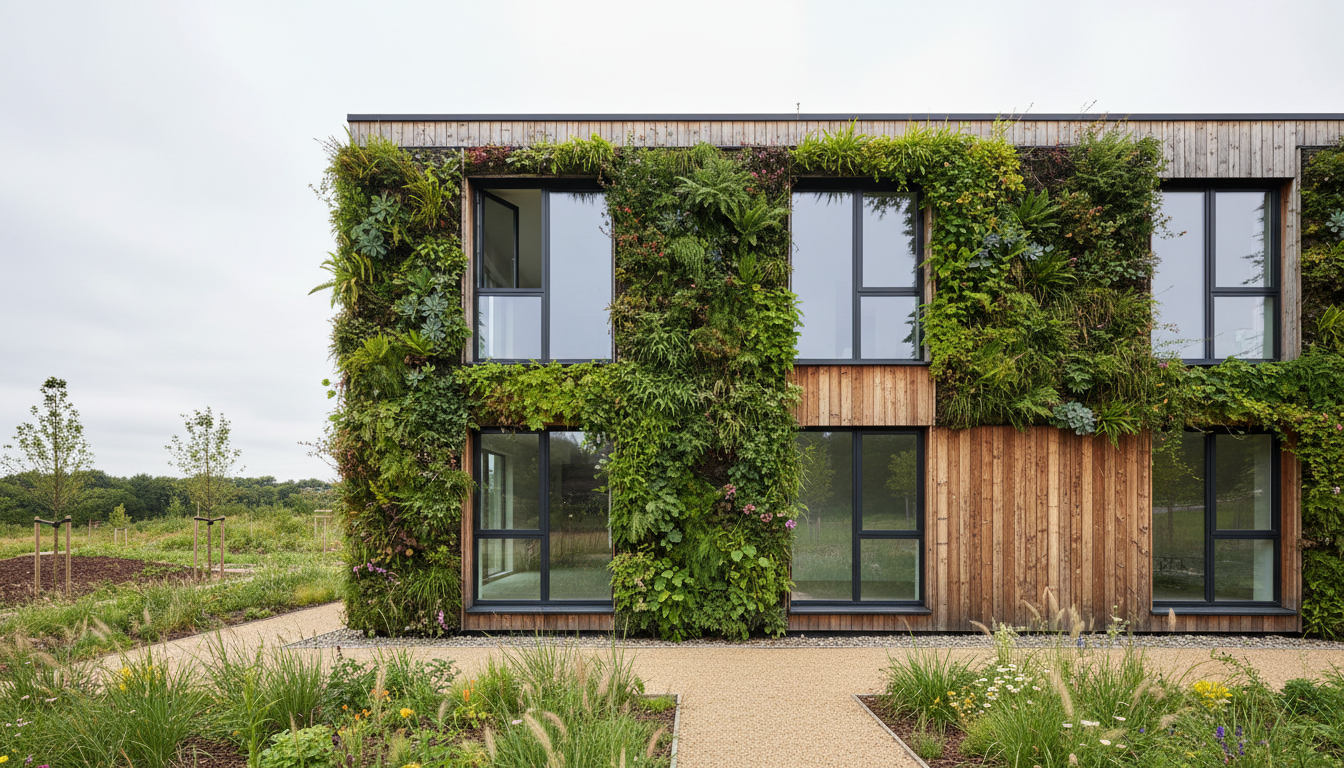
Florida, with its unique climate and environmental challenges, is an ideal location for implementing eco-friendly building designs. Sustainable construction not only benefits the environment but also enhances the quality of life for residents. By adopting green building practices, developers can reduce the ecological footprint of new projects and contribute to a more sustainable future.
Eco-friendly building designs focus on energy efficiency, water conservation, and the use of sustainable materials. These elements work together to create structures that are not only environmentally conscious but also economically beneficial in the long run.
Energy Efficiency: A Key Component
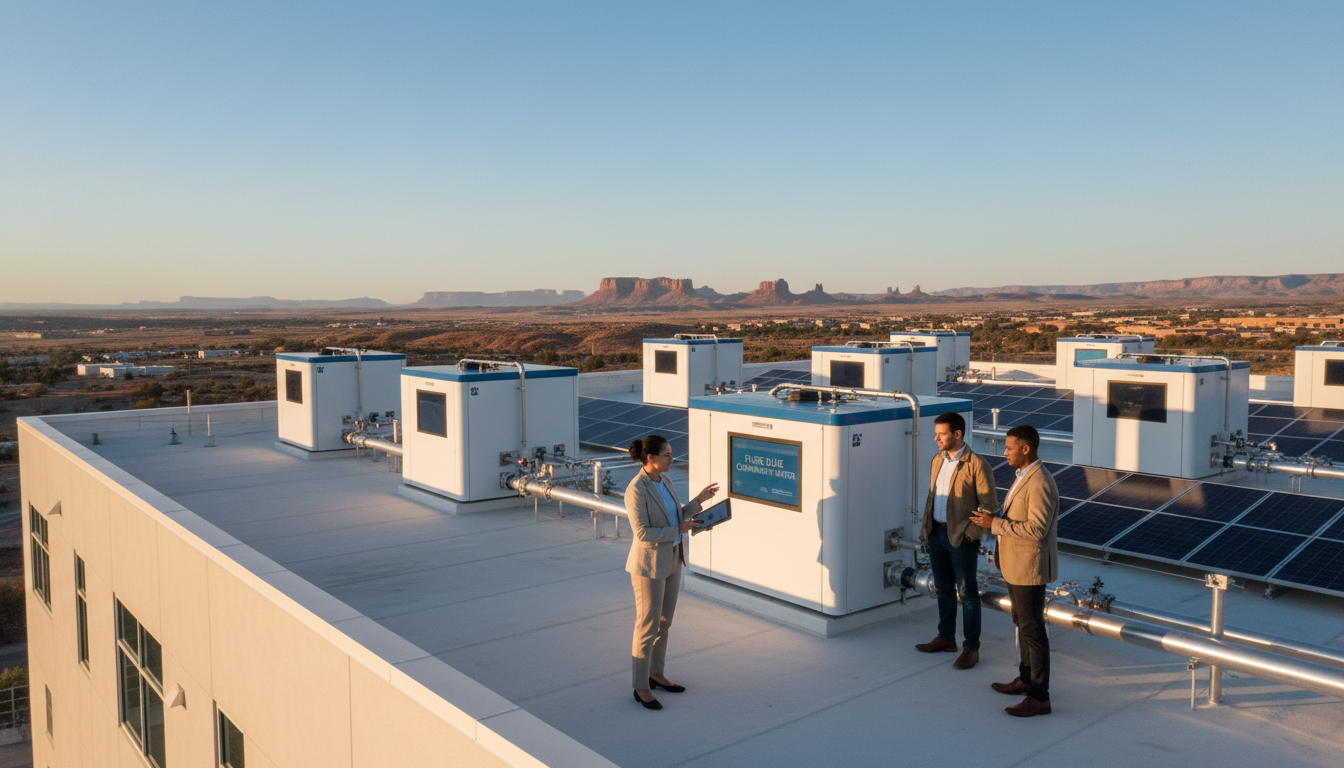
One of the most important aspects of eco-friendly building is energy efficiency. In Florida, where air conditioning is a necessity for much of the year, reducing energy consumption is crucial. Builders can achieve this by using high-performance windows, proper insulation, and energy-efficient HVAC systems. Incorporating solar panels is another effective way to harness renewable energy and lower electricity costs.
Moreover, designing buildings with natural lighting in mind can significantly reduce the need for artificial lighting during the day. This not only saves energy but also creates a more pleasant indoor environment.
Water Conservation Strategies
Water conservation is another critical factor in sustainable construction, particularly in Florida, where water resources can be strained. Implementing rainwater harvesting systems and using drought-tolerant landscaping can greatly reduce water usage. Low-flow fixtures and dual-flush toilets are also effective in minimizing water consumption inside buildings.
Additionally, using permeable materials for driveways and walkways can help manage stormwater runoff, reducing the risk of flooding and protecting local water bodies from pollution.
Sustainable Materials and Practices
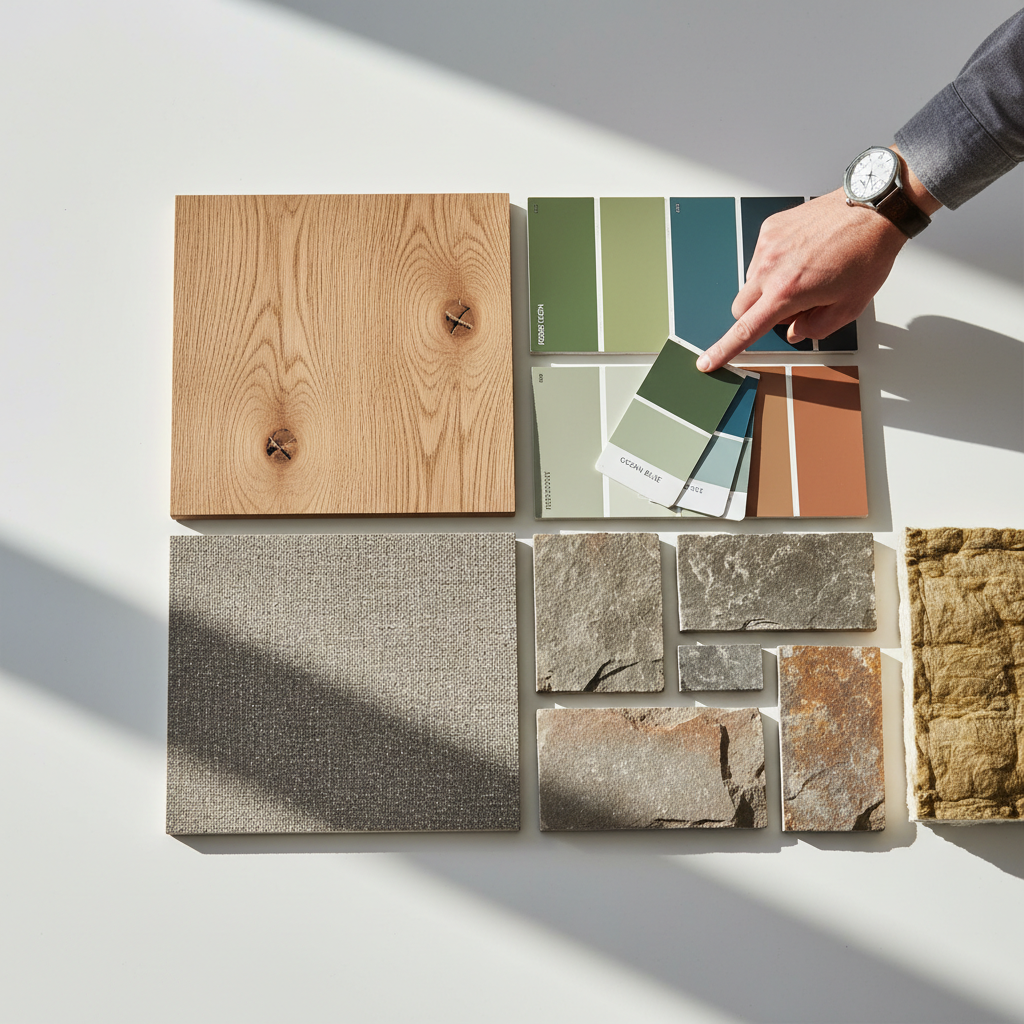
Choosing sustainable materials is essential for eco-friendly construction. Materials like reclaimed wood, recycled steel, and bamboo are not only environmentally friendly but also durable and stylish. Builders should also consider the lifecycle of materials, opting for those that are easily recyclable or biodegradable.
Furthermore, implementing waste reduction practices during construction can significantly lower the environmental impact. This includes recycling construction debris and minimizing unnecessary material use.
Certification and Incentives
Pursuing certifications such as LEED (Leadership in Energy and Environmental Design) can guide builders in creating sustainable structures. These certifications provide a framework for implementing green building practices and can enhance the marketability of properties.
Additionally, numerous incentives are available for developers who prioritize sustainability. These include tax breaks, grants, and reduced permit fees, which can offset initial costs and make eco-friendly construction more financially viable.
The Future of Sustainable Construction in Florida
As awareness of environmental issues continues to grow, the demand for eco-friendly building designs in Florida is expected to rise. By adopting sustainable practices, builders and developers can not only meet this demand but also contribute to a healthier planet.
Ultimately, eco-friendly construction is not just a trend but a necessary shift towards a more sustainable future. By prioritizing energy efficiency, water conservation, and sustainable materials, we can create buildings that are both environmentally responsible and economically sound.