
Eco-Friendly Building Designs in Florida: A Guide to Sustainable Construction


Introduction to Eco-Friendly Building Designs
As environmental concerns continue to rise, the construction industry in Florida is shifting towards more sustainable practices. Eco-friendly building designs are becoming increasingly popular, offering numerous benefits not only to the environment but also to homeowners and developers. In this guide, we explore the key elements of sustainable construction and how they are being implemented in Florida.
Importance of Sustainable Construction
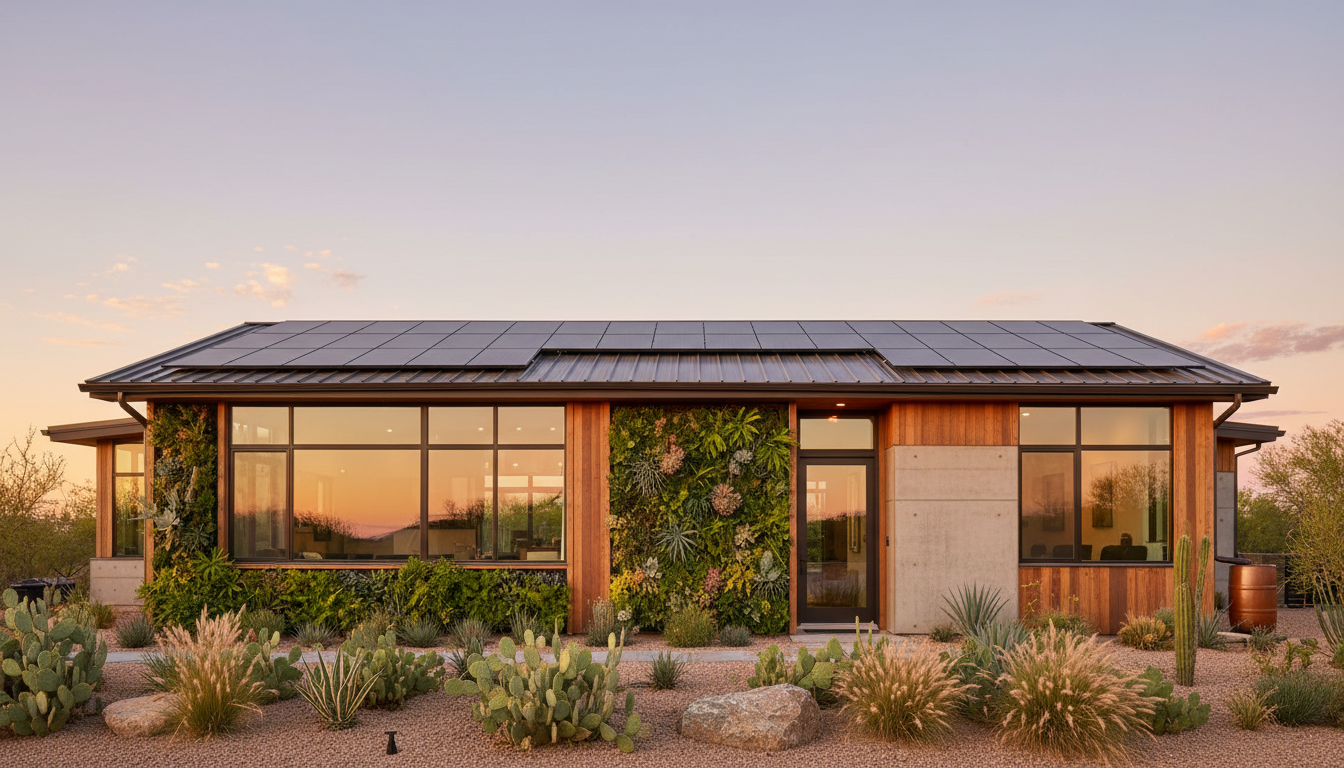
Sustainable construction focuses on reducing the environmental impact of building activities by utilizing resources efficiently and responsibly. This approach not only helps in conserving natural resources but also reduces pollution and waste. In Florida, embracing eco-friendly building designs can significantly contribute to the preservation of the state’s unique ecosystems.
Key Elements of Eco-Friendly Building Designs
Several elements define sustainable construction practices, including:
- Energy Efficiency: Utilizing energy-efficient systems and appliances to reduce energy consumption.
- Water Conservation: Implementing systems like rainwater harvesting and low-flow fixtures to minimize water use.
- Use of Sustainable Materials: Choosing materials that are recycled, renewable, or have a low environmental impact.
- Indoor Air Quality: Ensuring good ventilation and using non-toxic materials to maintain healthy indoor environments.
Energy Efficiency in Florida Homes
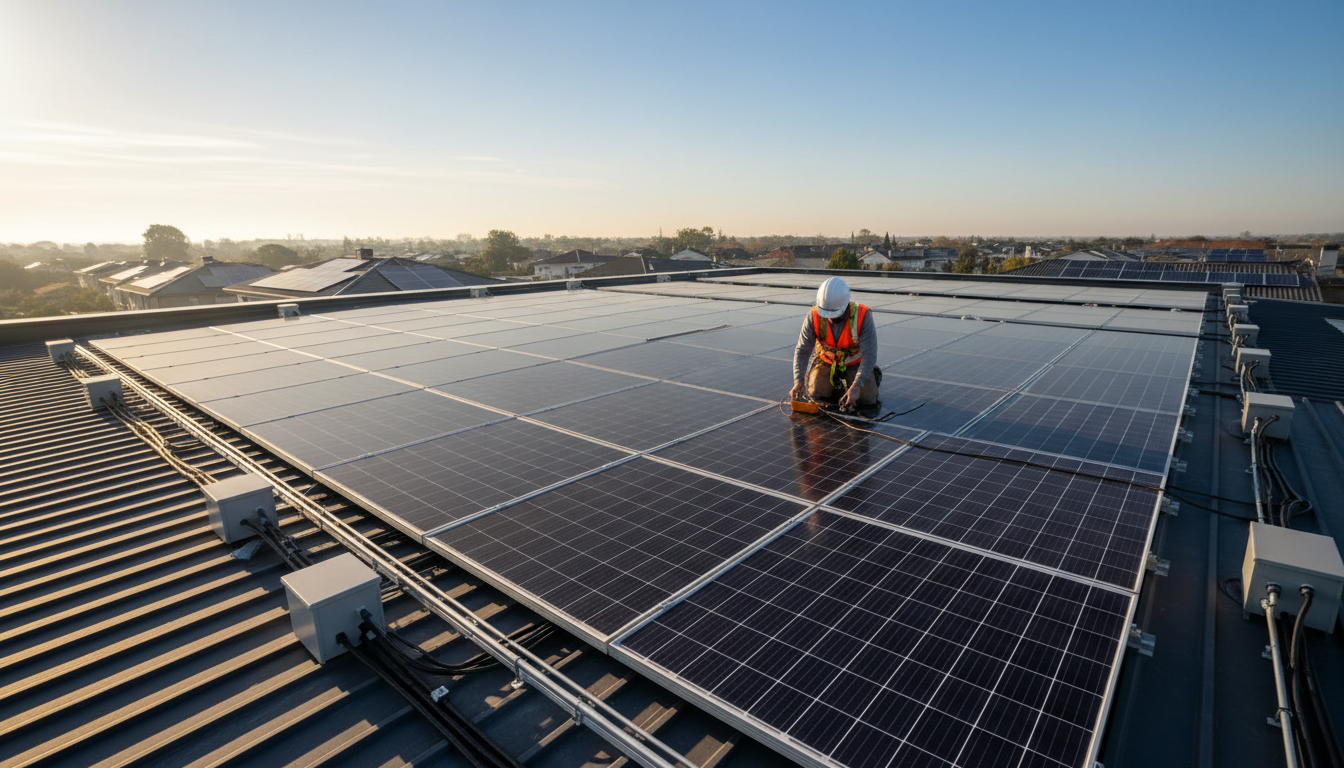
Florida’s warm climate makes energy efficiency a crucial aspect of sustainable building. By integrating solar panels, energy-efficient windows, and proper insulation, homes can drastically reduce their energy needs. These measures not only help in lowering utility bills but also contribute to reducing the carbon footprint of a building.
Water Conservation Strategies
In Florida, water conservation is vital due to the state’s vulnerability to droughts and water shortages. Eco-friendly designs often incorporate systems for rainwater collection and greywater recycling. Additionally, landscaping with native plants can reduce the need for irrigation, further conserving water resources.
Sustainable Materials and Construction Techniques
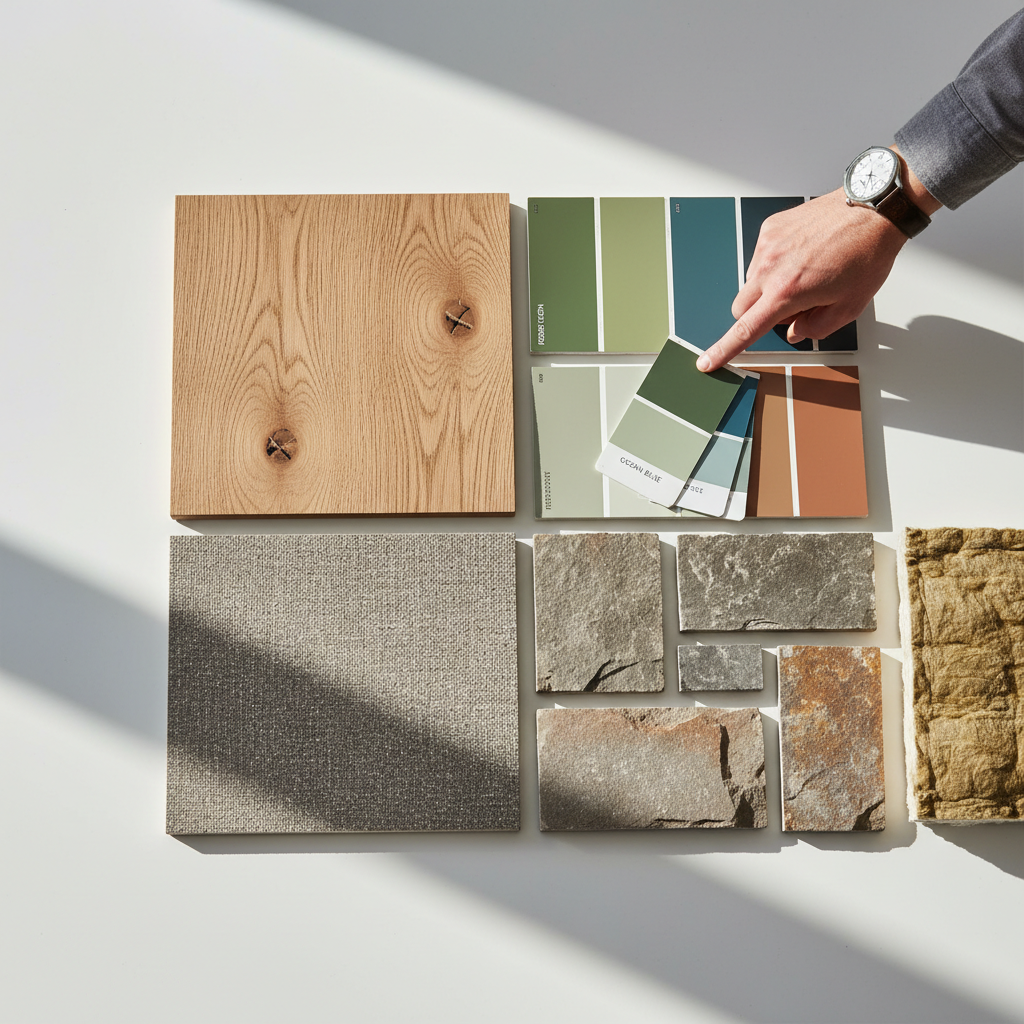
Choosing the right materials is a cornerstone of eco-friendly building designs. Sustainable materials like bamboo, reclaimed wood, and recycled metals are increasingly used. These materials not only reduce the environmental impact but also often offer superior durability and aesthetic appeal.
Benefits of Eco-Friendly Building Designs
Eco-friendly buildings provide a range of benefits, including reduced operating costs, increased property value, and enhanced comfort and health for occupants. Furthermore, sustainable buildings are often more resilient to natural disasters, making them a wise investment in areas prone to hurricanes and flooding, like Florida.
Conclusion
The shift towards eco-friendly building designs in Florida is not just a trend but a necessary evolution in construction practices. By adopting sustainable construction techniques, developers and homeowners can contribute to a healthier environment while enjoying the long-term benefits of reduced costs and increased resilience. As awareness and innovation continue to grow, the future of building in Florida looks promisingly green.