
Eco-Friendly Building Designs: A Guide to Sustainable Living in Florida


Florida, with its beautiful landscapes and unique climate, is an ideal location for embracing eco-friendly building designs. As more residents become environmentally conscious, the demand for sustainable living solutions has grown significantly. This guide explores how you can incorporate eco-friendly designs into your home, ensuring a harmonious blend with nature while reducing your carbon footprint.
Understanding Eco-Friendly Building
Eco-friendly building designs prioritize the efficient use of resources, minimizing environmental impact. These designs often include the use of sustainable materials, energy-efficient systems, and innovative architectural techniques. The primary goal is to create structures that are both functional and environmentally responsible.
In Florida, where the climate can be both a blessing and a challenge, adopting these practices not only benefits the environment but also enhances the comfort and efficiency of your home.

Sustainable Materials and Techniques
Choosing the right materials is crucial for eco-friendly building designs. Opt for materials that are renewable, recycled, or locally sourced. For instance, bamboo and reclaimed wood are excellent choices for flooring, while recycled steel and concrete can be used for structural elements.
Incorporating techniques such as passive solar design, which uses sunlight for heating and lighting, can significantly reduce energy consumption. Additionally, installing high-performance windows and efficient insulation helps maintain comfortable indoor temperatures.
Energy Efficiency and Renewable Energy
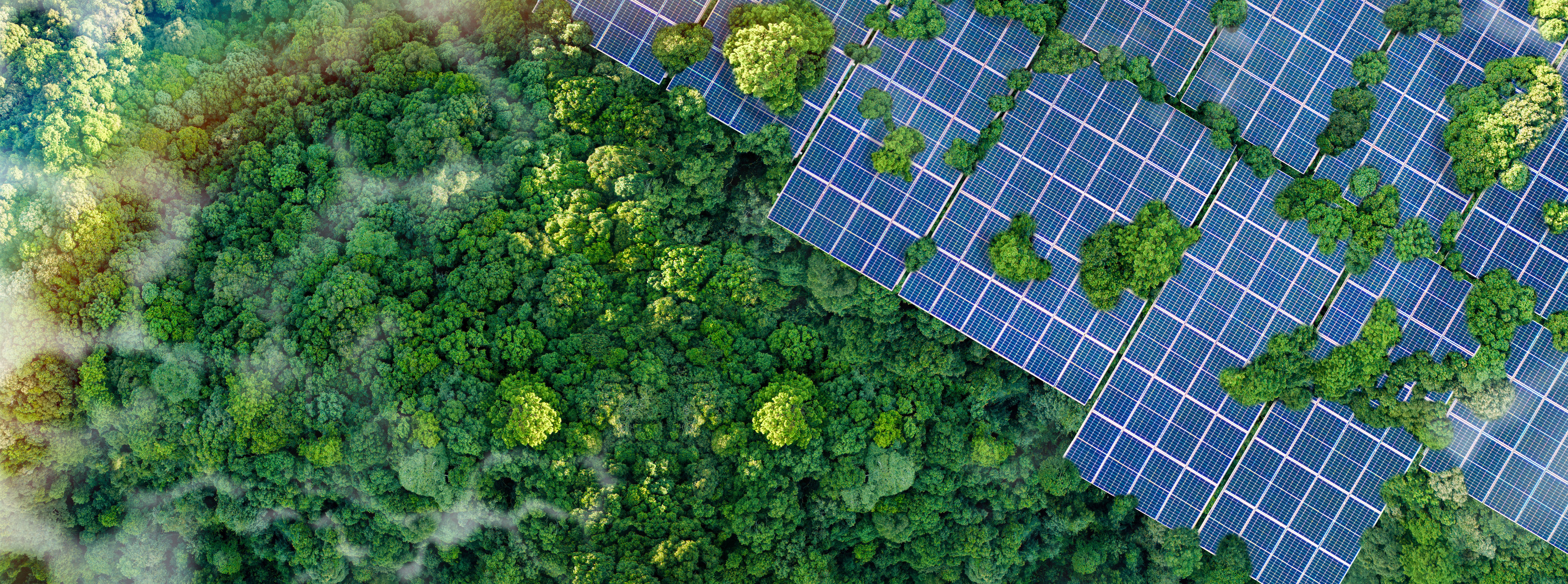
Energy efficiency is a cornerstone of sustainable living. Implementing energy-efficient appliances and lighting fixtures can substantially lower your home's energy usage. Moreover, Florida's abundant sunshine makes it an ideal location for solar panels. Installing solar panels can provide a significant portion of your energy needs, reducing reliance on non-renewable sources.
Consider also the use of geothermal systems for heating and cooling, which utilize the earth's stable temperatures to regulate indoor climates efficiently.
Water Conservation Strategies
Water conservation is another critical aspect of eco-friendly building. Implementing rainwater harvesting systems can provide an alternative water source for irrigation and non-potable uses. Additionally, installing low-flow fixtures and efficient irrigation systems can greatly reduce water consumption.
Landscaping with native plants that are adapted to Florida's climate can further decrease the need for irrigation, supporting local biodiversity while conserving water.
Indoor Air Quality and Health
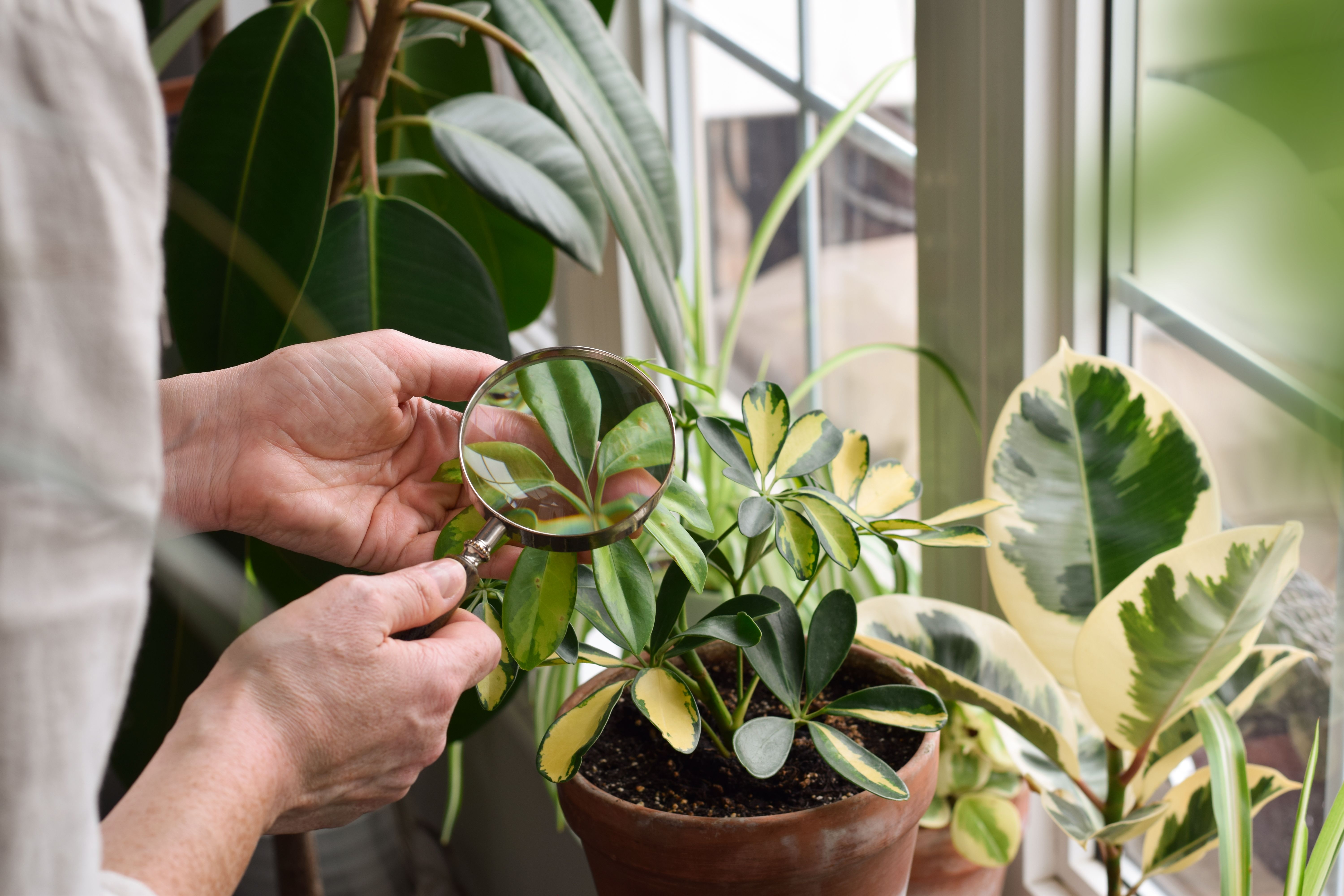
Eco-friendly homes also focus on improving indoor air quality. Using non-toxic paints and finishes, along with proper ventilation, helps maintain a healthy indoor environment. Incorporating plants indoors can enhance air quality and add a natural aesthetic.
Regular maintenance and using natural cleaning products are additional ways to ensure a safe and healthy living space.
The Future of Sustainable Living in Florida
As awareness and technology advance, the future of eco-friendly building in Florida looks promising. Innovations in materials and construction techniques continue to emerge, making sustainable living more accessible and affordable for everyone.
By choosing eco-friendly building designs, Floridians can enjoy the beauty and benefits of their natural surroundings while contributing to a sustainable future. Embracing these practices not only enhances personal well-being but also supports the global movement toward environmental responsibility.