
Comparing ADU and Garage Conversion Regulations in Tampa Bay


Understanding Accessory Dwelling Units (ADUs)
Accessory Dwelling Units, commonly referred to as ADUs, are secondary housing units located on the same property as a primary residence. In Tampa Bay, ADUs are becoming increasingly popular as homeowners seek to maximize their property value and create additional living space. These units can serve various purposes, such as housing for family members, rental units, or even home offices. However, there are specific regulations that homeowners must adhere to when building or converting an ADU.
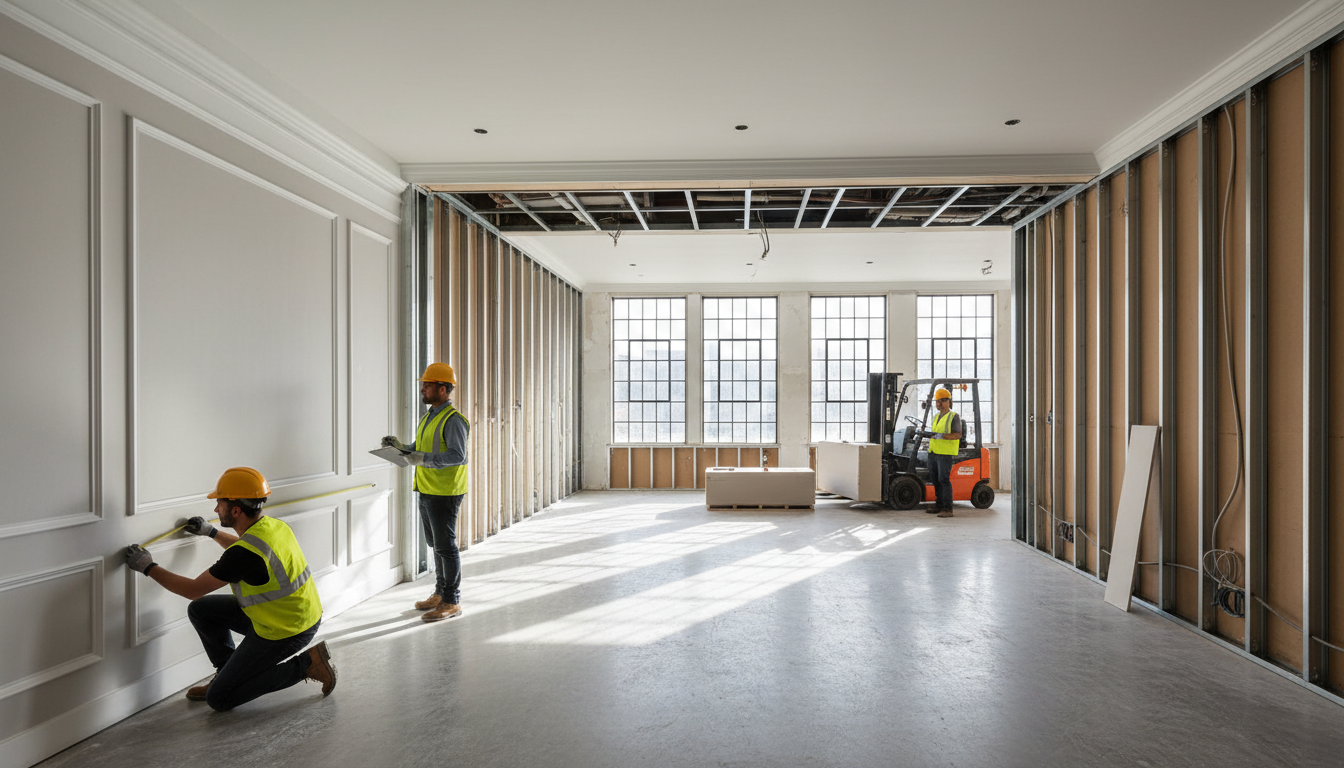
One of the primary requirements for ADUs in Tampa Bay is compliance with zoning laws. These laws dictate where ADUs can be constructed and what size they can be. Typically, the size of an ADU is limited to a percentage of the main dwelling's size or a set square footage. It's essential for homeowners to check local zoning maps and consult with city planners to ensure their project meets all necessary criteria.
Exploring Garage Conversions
Garage conversions are another popular option for homeowners looking to add livable space to their property. Unlike building a new ADU, converting an existing garage can be more cost-effective and quicker to complete. However, garage conversions also come with their own set of regulations and considerations.
In Tampa Bay, one of the key regulations for garage conversions is ensuring the structure meets residential building codes. This might include installing proper insulation, electrical systems, and plumbing, if necessary. Additionally, homeowners must ensure that the conversion does not violate neighborhood covenants or homeowner association rules.
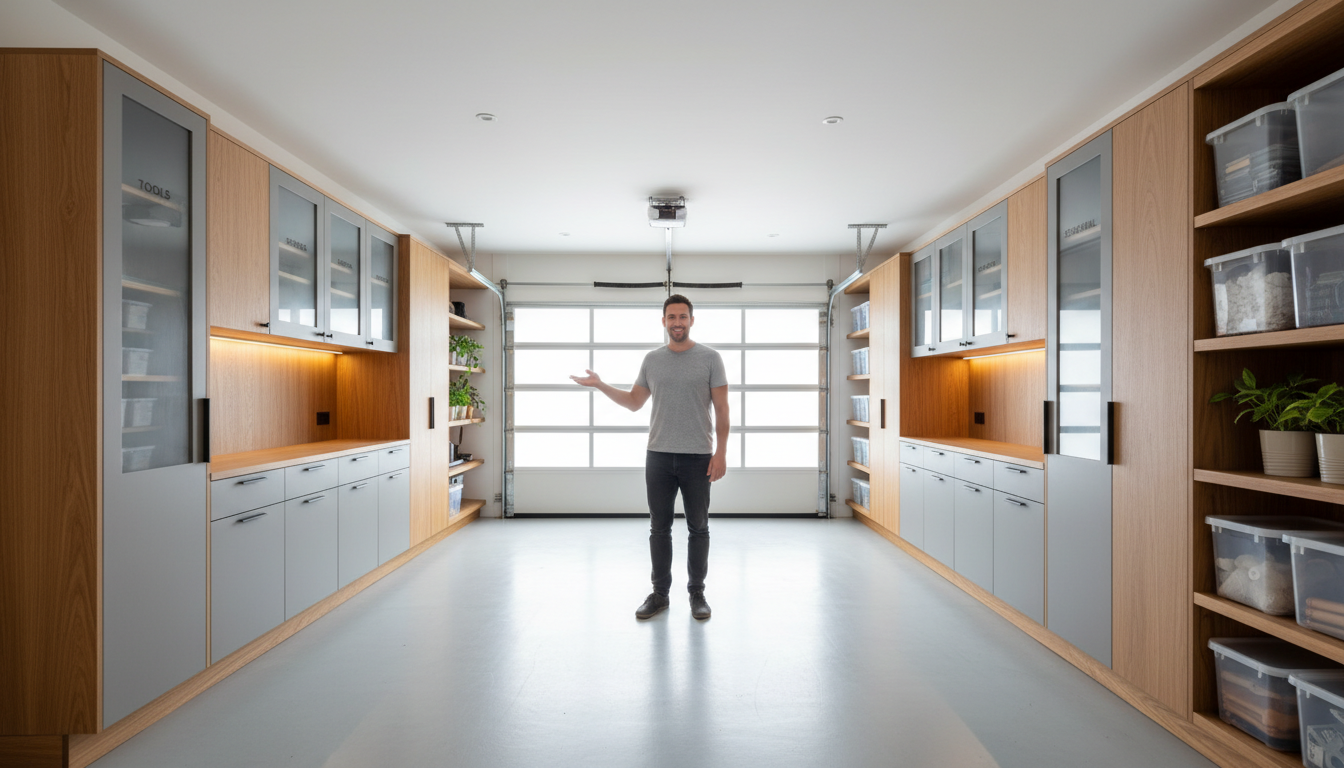
Comparing Permit Requirements
Both ADUs and garage conversions require permits in Tampa Bay, but the process can differ. For ADUs, the permitting process might be more extensive due to the need to assess the impact on local infrastructure, such as water and sewage systems. Meanwhile, garage conversions might require fewer permits but still need to adhere to building safety standards.
It's crucial for homeowners to contact local building departments to obtain a list of required permits and inspections. This proactive step can help avoid potential legal issues and ensure the project proceeds smoothly.
Financial Considerations
When deciding between an ADU and a garage conversion, financial factors play a significant role. ADUs often require a higher initial investment due to construction costs, whereas garage conversions might offer a more economical alternative. However, the potential rental income from an ADU could offset these costs over time.

Homeowners should also consider the impact on property taxes. Adding an ADU or converting a garage could increase the appraised value of the property, leading to higher taxes. Consulting with a financial advisor or real estate expert can provide valuable insights into managing these costs effectively.
Benefits and Drawbacks
Both ADUs and garage conversions offer unique benefits. ADUs provide a completely separate living space, which can be attractive for renters or extended family members. On the other hand, garage conversions make use of existing structures, reducing waste and construction time.
However, there are drawbacks to consider. ADUs might face stricter zoning limitations, while garage conversions could impact parking availability. Evaluating the pros and cons in the context of personal needs and neighborhood dynamics is essential for making an informed decision.
Conclusion
In Tampa Bay, both ADUs and garage conversions present viable options for expanding living space and increasing property value. Understanding the specific regulations and requirements for each is crucial. By thoroughly researching and consulting with professionals, homeowners can make informed decisions that align with their goals and comply with local laws.