
Case Study: Successful Residential Planning in Clearwater


Introduction to Clearwater's Residential Planning
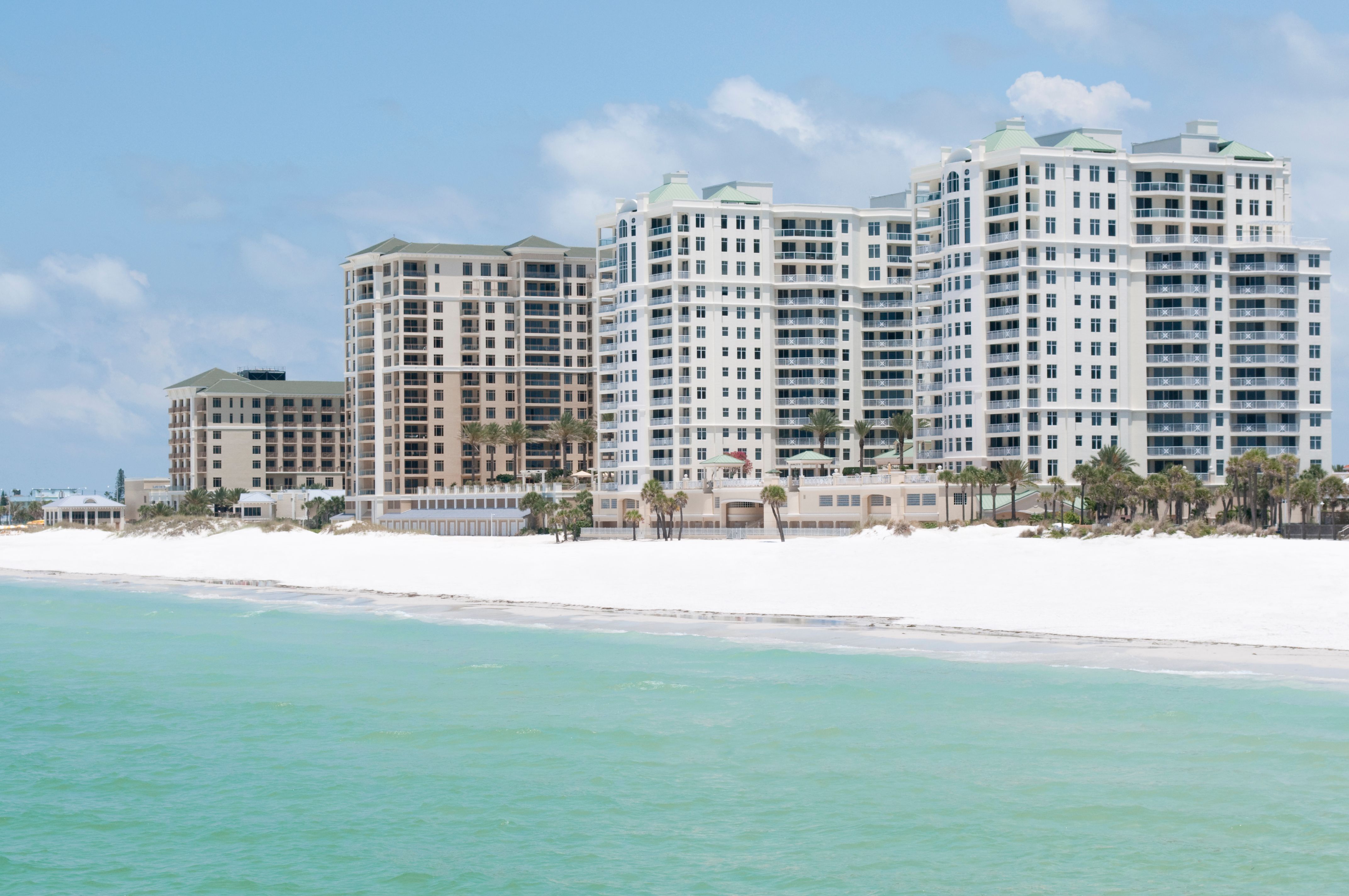
Clearwater has become a shining example of successful residential planning, thanks to its strategic approach and community-centric initiatives. This case study delves into the key factors that contributed to its success, offering valuable insights for urban planners and developers.
Community Involvement
One of the most significant aspects of Clearwater's planning was its emphasis on community involvement. Local residents were actively engaged through workshops and surveys, ensuring their voices and concerns were heard. This collaborative approach not only fostered a sense of ownership but also led to more tailored and effective planning decisions.
The city organized several town hall meetings where residents could provide feedback on proposed developments. This open dialogue allowed planners to address any apprehensions and incorporate community suggestions, ultimately leading to higher satisfaction and acceptance.
Innovative Infrastructure
Clearwater's planners prioritized innovative infrastructure solutions to enhance the quality of life. The integration of green spaces and sustainable practices was a key feature. Parks, walking trails, and bike lanes were strategically placed to encourage outdoor activities and reduce traffic congestion.

Moreover, the city implemented smart technology to improve public services. From energy-efficient streetlights to intelligent traffic systems, Clearwater's infrastructure is designed to be both eco-friendly and efficient.
Economic Growth and Development
The residential planning in Clearwater also focused on stimulating economic growth. By attracting new businesses and offering incentives for startups, the city created a vibrant economic landscape that supports both residents and entrepreneurs. This approach not only boosted employment but also enhanced the overall living standards.
A balanced mix of commercial and residential areas facilitated easy access to amenities, further promoting economic activity. The city’s planning ensured that all developments were aligned with economic objectives, making Clearwater a thriving hub for innovation and commerce.
Challenges and Solutions
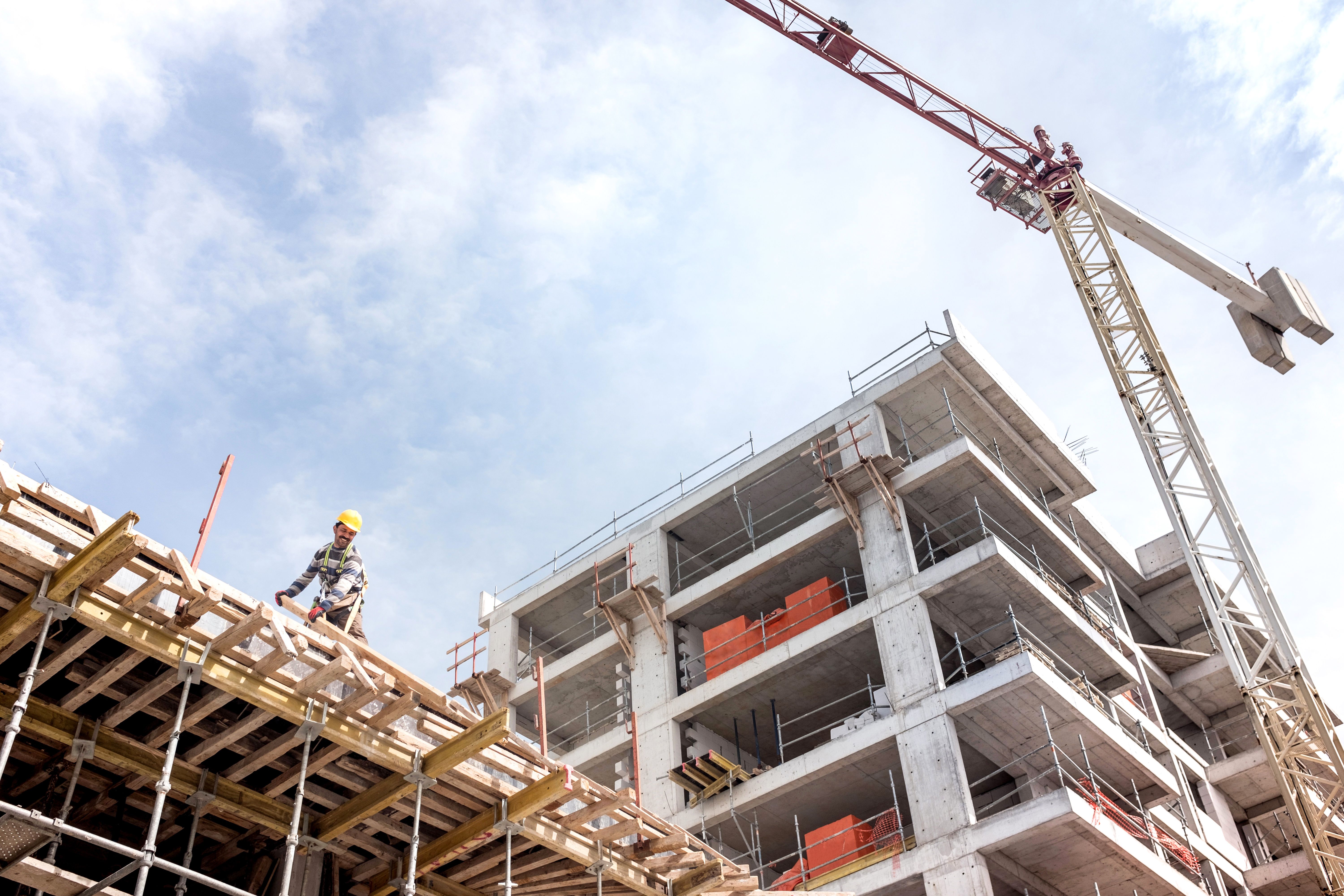
Despite its success, Clearwater faced several challenges during the planning process. Rapid population growth and environmental concerns were among the primary issues. However, proactive strategies such as zoning regulations and environmental impact assessments helped mitigate these challenges.
Planners worked closely with environmental experts to ensure that development was sustainable and ecologically responsible. By prioritizing long-term environmental health, Clearwater has set a precedent for future residential planning projects.
Conclusion
Clearwater's successful residential planning serves as a model for cities worldwide. Through community involvement, innovative infrastructure, and economic foresight, the city has created a thriving, sustainable, and inclusive environment. This case study highlights the importance of strategic planning and collaboration in shaping the cities of tomorrow.