
Avoiding Common Permitting Delays: Expert Tips from Construction Corps


Understanding Permitting Delays
In the construction industry, permitting delays are a common obstacle that can impact project timelines and budgets. Understanding the root causes of these delays can help project managers and contractors plan more effectively. Permitting involves obtaining the necessary approvals from local authorities to ensure that construction projects comply with building codes and regulations.
These delays can occur due to incomplete applications, missing documentation, or miscommunications with regulatory bodies. By approaching the permitting process with a clear strategy, these challenges can be mitigated.

Plan Ahead for Smooth Approvals
One of the most effective ways to avoid permitting delays is to plan ahead. Start by researching the specific requirements for your project early in the planning phase. This includes understanding the local building codes, zoning laws, and any special requirements that may apply. Being proactive and gathering all necessary information can significantly reduce the chances of encountering unexpected issues.
Engaging with local authorities early can also be beneficial. Establishing a relationship and maintaining open communication can lead to a smoother permitting process.
Complete and Accurate Documentation
Submitting complete and accurate documentation is crucial in avoiding delays. Ensure that all forms are filled out correctly and that all required documents are included. Missing or incorrect information can lead to rejections or requests for additional information, which can delay your project significantly.
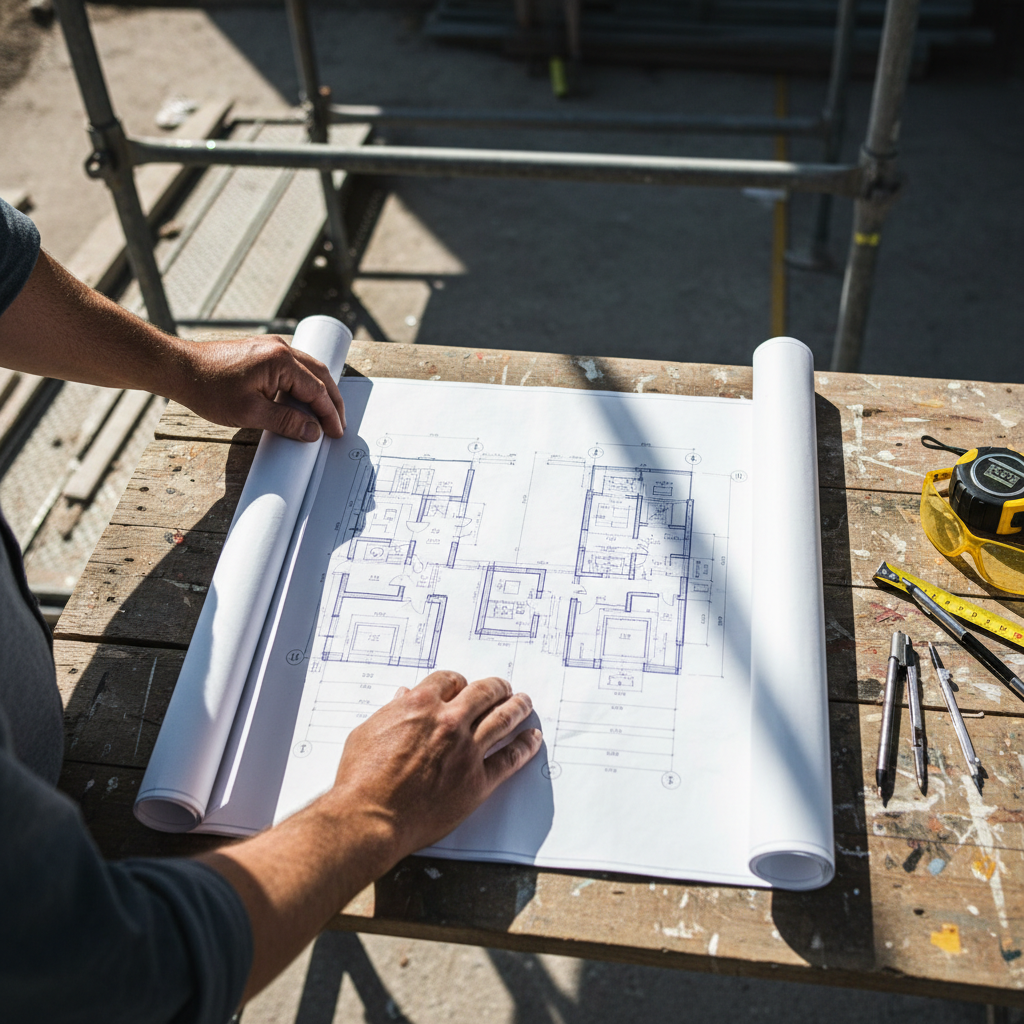
Consider creating a checklist of all required documents and double-checking each item before submission. This attention to detail can save time and prevent unnecessary setbacks.
Leverage Expert Knowledge
Working with experts who have experience in the permitting process can be a game-changer. These professionals understand the intricacies of the system and can provide valuable insights and guidance. They can help navigate complex regulations and ensure that your application is both complete and compliant.
Hiring a consultant or working with a company that specializes in permit expediting can also be a wise investment, particularly for larger or more complex projects.

Maintain Open Communication
Consistent communication with all stakeholders involved in the permitting process is essential. This includes not only the regulatory authorities but also your project team. Keeping everyone informed about the status of permit applications can prevent misunderstandings and ensure that everyone is aligned.
Regular updates and proactive communication can help in addressing any issues promptly, reducing the risk of delays caused by miscommunication.
Be Prepared for Changes
Even with the best preparation, changes can occur. It’s important to remain flexible and have contingency plans in place. Whether it’s changes in regulations or unexpected feedback from authorities, being prepared to adapt can keep your project on track.
Incorporating buffer time into your project schedule can provide the flexibility needed to handle unforeseen challenges without significant disruption.

By following these expert tips from Construction Corps, you can minimize the risk of permitting delays and keep your construction projects on schedule. Remember, a proactive and strategic approach will always be your best tool in navigating the complexities of the permitting process.