5 Key Considerations for Designing Hurricane-Resistant Homes in Tampa Bay


Understanding Hurricane-Resistant Design
Designing homes in hurricane-prone areas like Tampa Bay requires special considerations to ensure safety and durability. With the increasing frequency of severe weather events, it's crucial to incorporate features that can withstand strong winds and heavy rains. Here are five key considerations for designing hurricane-resistant homes in this region.
1. Location and Site Planning
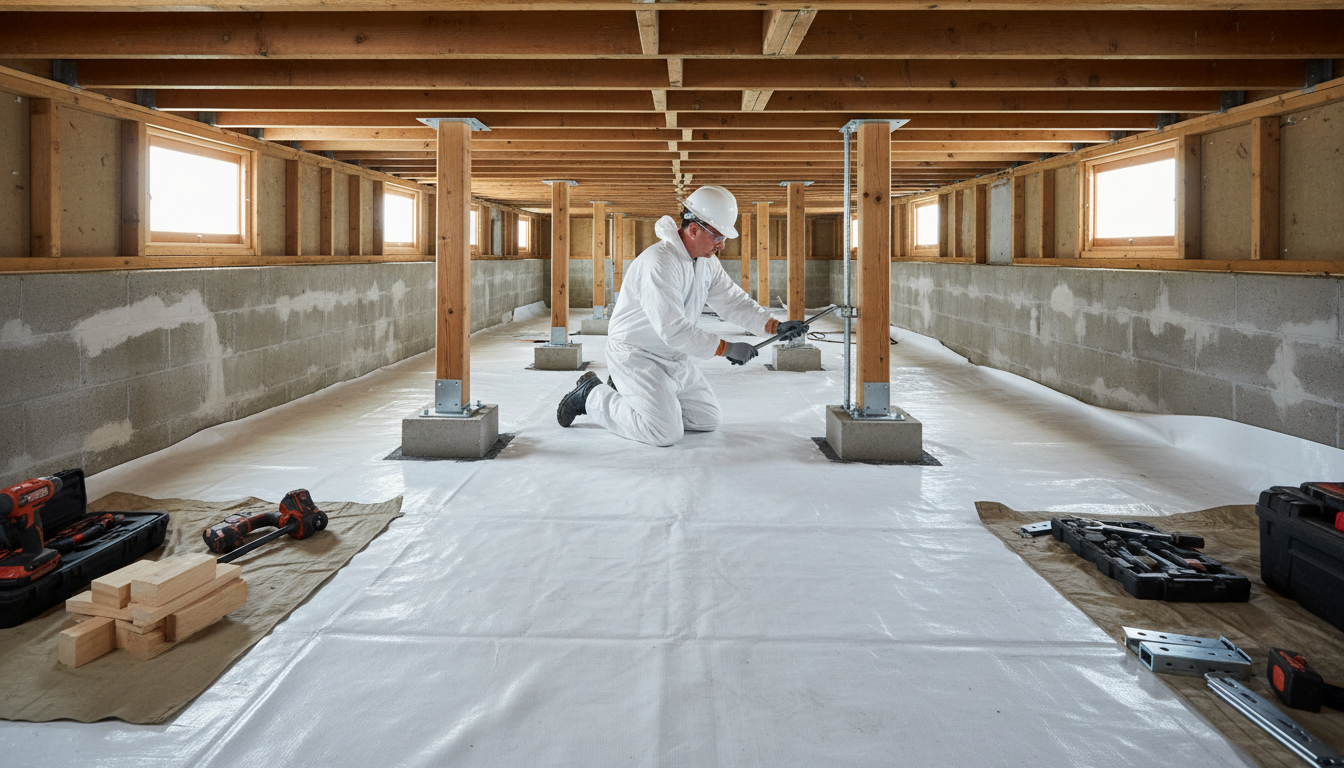
The first step in creating a hurricane-resistant home is selecting the right location. Consider the site's elevation, proximity to water bodies, and historical weather patterns. Elevated areas are generally safer, as they are less susceptible to storm surges and flooding. Additionally, proper site planning can help in positioning the home to minimize wind exposure.
2. Structural Integrity
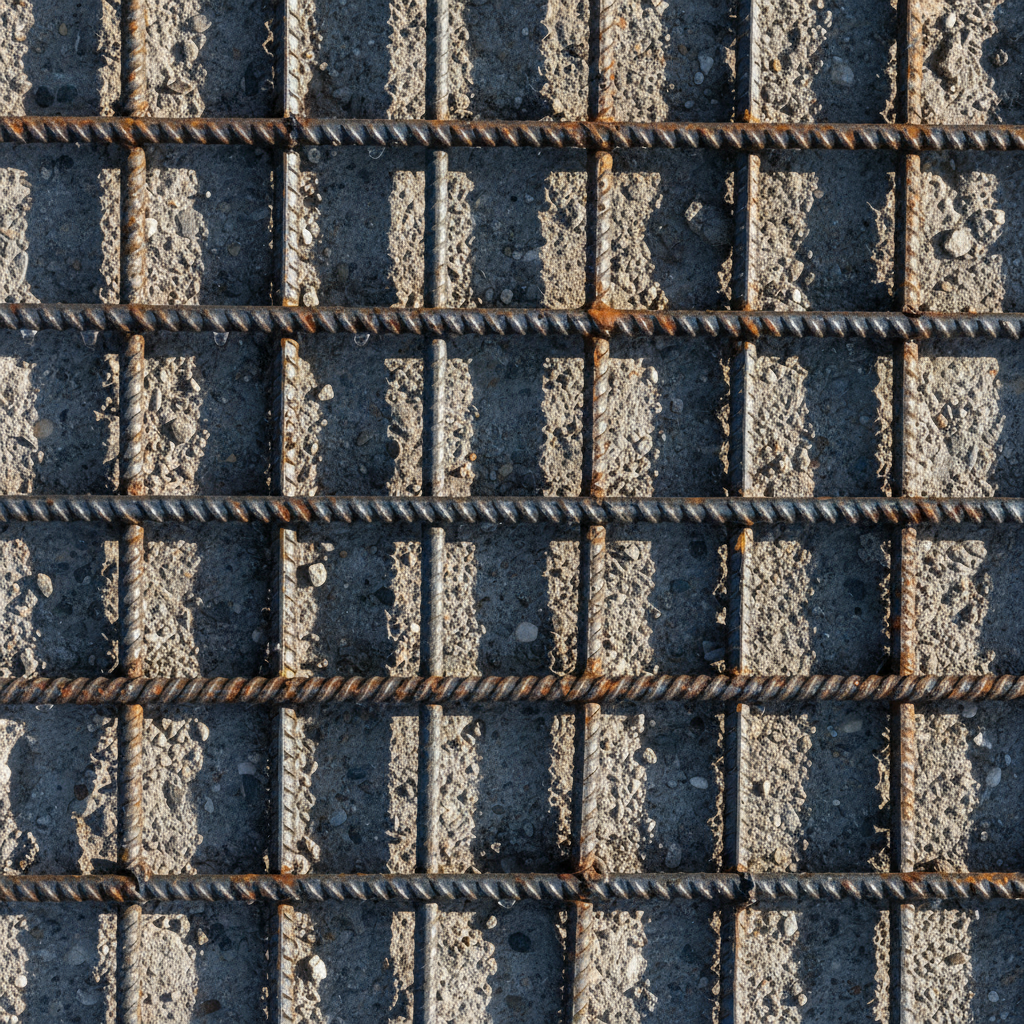
Ensuring the structural integrity of a home is paramount. Use materials like reinforced concrete, steel, and impact-resistant glass. These materials provide additional strength and can withstand the high winds and debris impacts associated with hurricanes. It's also important to focus on the roof design, opting for hip roofs which are more aerodynamic and less likely to be uplifted by strong winds.
3. Secure Openings
Windows and doors are vulnerable points in a home during a hurricane. Installing impact-resistant windows and reinforced doors can prevent wind and debris from breaching the interior. Consider using shutters or storm panels as an added layer of protection. Garage doors should also be reinforced, as they can easily be compromised by wind pressure.
4. Flood Mitigation Techniques
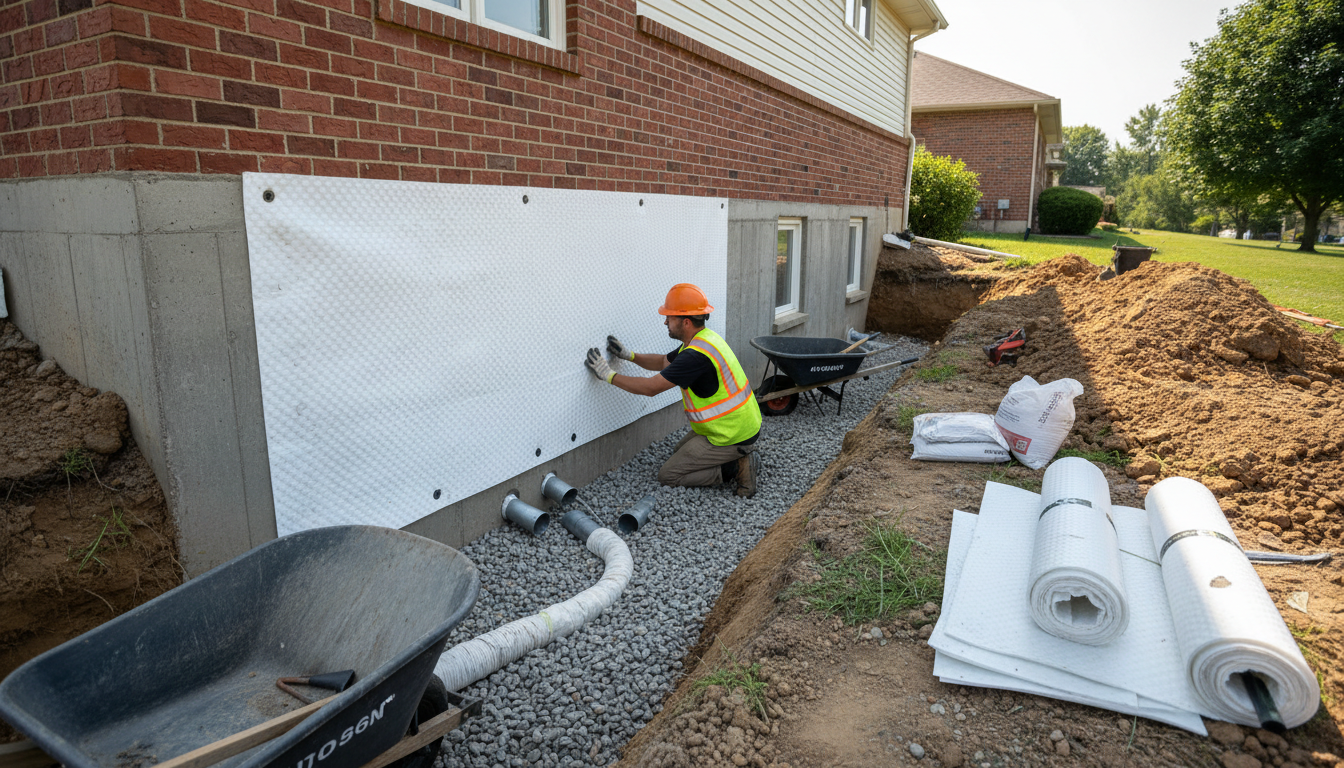
Flooding is a common consequence of hurricanes, making it essential to incorporate flood mitigation strategies. Elevating the home above the base flood elevation is a standard practice. Additionally, consider installing flood vents and designing landscapes that direct water away from the building structure. These measures can significantly reduce the risk of water damage.
5. Emergency Preparedness Features
Beyond structural considerations, it's important to include features that enhance emergency preparedness. This could involve installing backup generators, creating safe rooms, and ensuring easy access to emergency supplies. These features can provide peace of mind and ensure that residents are well-prepared in the event of a hurricane.
Incorporating these key considerations into the design and construction of homes in Tampa Bay can significantly increase their resilience against hurricanes. By prioritizing safety and using innovative building techniques, homeowners can protect their properties and loved ones from the devastating impacts of severe weather.